

First published 2013 • Updated 2025
By Claudia Bensimoun • BarkUpToday™
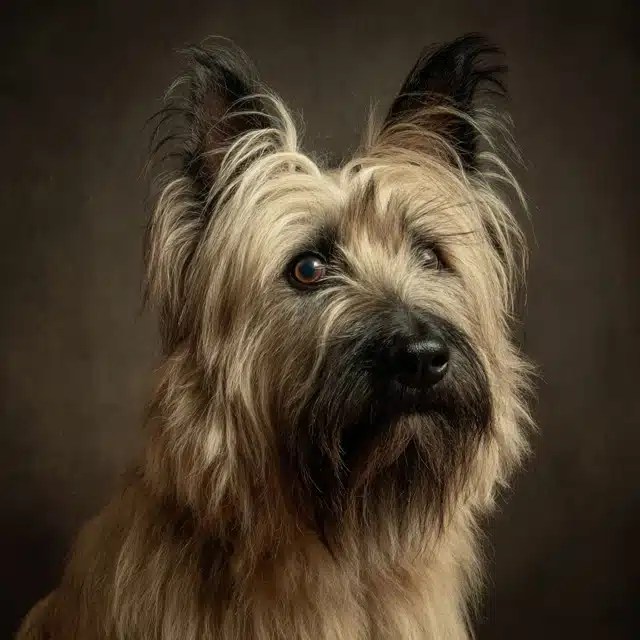
Image credit: Claudia Bensimoun
Learn about the Skye Terrier’s history, temperament, grooming, health, and ideal home. Originally published in 2013 and fully updated for 2025 by Claudia Bensimoun.
The Skye Terrier is one of the world’s most endangered purebred dogs, known for its long, flowing coat, dignified expression, and deep-rooted loyalty. Once adored by royalty and celebrated in art, literature, and Scottish history, the Skye Terrier now stands at the brink of extinction, with fewer than 400 puppies born globally each year. Calm, devoted, and exceptionally charming, the Skye Terrier offers a unique combination of elegance and courage rarely found in the modern terrier world.
This updated dog breed 2025 guide explores the Skye Terrier’s history, temperament, grooming needs, training, and the conservation efforts working to save this historic breed.
Breed Classification (AKC & UKC)

The American Kennel Club (AKC) places the Skye Terrier in its Terrier Group, where it is recognized for its dignified bearing and courageous working history.
The United Kennel Club (UKC) also classifies the Skye Terrier in the Terrier Group, acknowledging its long-standing role as a versatile working terrier bred for hunting small game in Scotland’s rugged landscapes.
These group placements highlight the Skye Terrier’s combination of elegance, loyalty, and functional working-dog history.
History of the Skye Terrier
The Skye Terrier originated on the Isle of Skye in Scotland, where it was bred centuries ago as a working terrier capable of navigating rocky terrain and hunting foxes, badgers, and otters in narrow passages. With its long, low build and strong jaws, the breed excelled at pursuing quarry into dens and scrubbing them out with remarkable bravery.
By the Victorian era, the Skye Terrier had become a fashionable companion dog, admired for its elegance and noble carriage. Queen Victoria herself owned multiple Skye Terriers, helping the breed rise to prominence. The most famous Skye Terrier, Greyfriars Bobby, earned worldwide recognition for his loyalty after guarding his owner’s grave for 14 years in Edinburgh — a story that remains one of the most beloved canine legends.
Despite its rich heritage, the Skye Terrier is now considered one of the rarest dog breeds on earth, and conservation organizations are working urgently to protect its dwindling numbers.
Appearance and Physical Traits
The Skye Terrier is a long, low, and gracefully built terrier, instantly recognizable by its flowing coat, feathered ears, and elegant silhouette. Adults typically stand around ten inches tall at the shoulder, yet can reach up to forty inches in body length. Their weight ranges from twenty-five to forty pounds, giving them a surprisingly substantial build despite their low height.
The breed’s coat is long, flat, and weather-resistant, forming a curtain of hair that drapes down both sides of the body. Colors include black, gray, fawn, blue, and cream, often with darker ear fringes. The expressive dark eyes and strong muzzle give the Skye Terrier a combination of intelligence and softness that adds to its unique charm.
Temperament
The Skye Terrier is gentle, loyal, and deeply affectionate, forming an intense bond with its chosen humans. Unlike many terriers, which can be bold or excitable, the Skye is more dignified and reserved. This breed thrives in quiet, stable homes and does exceptionally well with owners who appreciate its sensitive, thoughtful nature.
Skye Terriers are intelligent and willing learners, but can show independent thinking common to terriers. Early socialization helps them become confident around new people and in new environments. They are naturally protective of their family and may be wary of strangers, though they are not aggressive without cause. Above all, the Skye Terrier is known for its unshakable devotion, often described as one of the most loyal breeds in the canine world.
Training and Activity Needs
The Skye Terrier benefits from kind, patient, and consistent training. They respond well to positive reinforcement and enjoy learning tasks that stimulate their mind. While they do not require high-intensity exercise, they appreciate daily walks, exploratory outings, and interactive play.
Skye Terriers excel in:
-
nose work
-
obedience
-
therapy roles
-
tracking
-
gentle agility
Because they were bred as working terriers, they maintain surprising stamina despite their low height.
Grooming
The Skye Terrier’s long double coat requires regular care to prevent tangles and matting. Brushing several times per week helps maintain coat health, while occasional bathing keeps it clean and sleek. Their furnishings, including the beard and feathering, should be monitored for debris.
Skye Terriers shed moderately and require routine ear, nail, and dental care. Their grooming needs are significant but manageable for owners who enjoy coat maintenance.
Health and Longevity
Potential Health Issues in the Skye Terrier
Although the Skye Terrier is generally a healthy and resilient breed, its unique structure and genetic heritage predispose it to several specific conditions. Awareness and early monitoring help promote a long, healthy life.
Orthopedic Health
-
Intervertebral Disc Disease (IVDD): Due to the breed’s long back and short legs, discs may degenerate or slip, leading to pain, weakness, or mobility issues.
-
Patellar Luxation: The kneecap may shift out of place, causing intermittent limping or discomfort.
-
Hip Dysplasia: Less common but possible, particularly in dogs who become overweight.
Autoimmune & Dermatological Conditions
-
Autoimmune thyroiditis (Hypothyroidism): Can cause weight gain, coat thinning, or lethargy.
-
Autoimmune skin conditions: May lead to chronic irritation or recurrent infections.
-
Allergies: Environmental or food-related allergies may cause itching, ear redness, or paw licking.
Ophthalmic (Eye) Conditions
-
Primary lens luxation: The lens may shift from its normal position, requiring immediate veterinary care.
-
Cataracts: Clouding of the eye lens that can impair vision over time.
-
Progressive retinal atrophy (PRA): A slow, progressive degeneration of the retina that can lead to blindness.
Gastrointestinal & Metabolic Issues
-
Food sensitivities: Some Skyes may have sensitive stomachs or intolerance to specific proteins.
-
Obesity: Extra weight places additional strain on the spine, significantly increasing the risk of IVDD.
Reproductive & Genetic Concerns
-
Low genetic diversity: Due to the breed’s critically low population, genetic variation can be limited.
-
Inherited disease risk: Responsible breeders now rely on screening programs to reduce the incidence of inherited disorders.
Lifestyle-Related Risks
-
Jump-related spinal injuries: Jumping from furniture or running down stairs can put sudden stress on the spine.
-
Cold-weather sensitivity: Despite their coat, Skyes can be sensitive to damp or icy conditions, especially those with joint issues.
Ideal Home
The Skye Terrier thrives in calm, loving households where companionship is central to daily life. They adapt well to apartments or houses and enjoy peaceful routines with moderate exercise. Due to their loyalty and sensitivity, they form strong bonds with their owners and do best in homes where someone is present for much of the day.
Their gentle, affectionate personality and moderate activity level make them ideal for singles, couples, seniors, or families with respectful children.
The Skye Terrier is a magnificent blend of elegance, courage, and devotion. While it remains one of the world’s rarest breeds, its charm and history make it a true gem among terriers. With proper care, training, and attention, the Skye Terrier offers a lifetime of companionship and loyalty. As conservation efforts continue, enthusiasts hope to preserve this iconic Scottish breed for generations to come.
First published 2013 • Updated 2025
Copyright © 2013–2025 Claudia Bensimoun • BarkUpToday™ — All rights reserved.
Skye Terrier • Scottish Terriers • Rare terrier breeds • Endangered dog breeds • AKC Terrier Group • UKC Terrier Group • Isle of Skye dog breed • Victorian dog breeds • Historic terriers • Long-coated terriers • Small terrier breed • Companion terrier • Hypoallergenic terrier alternatives • Dog breeds at risk • Terrier breed history • Purebred dog preservation • Dog breed conservation • Greyfriars Bobby • Scottish working dogs • Terriers for apartments • Loyal terrier breeds • Family-friendly terriers • Low-shedding terriers • Claudia Bensimoun • BarkUpToday • Terrier grooming • Terrier temperament • Breed standards AKC • Breed standards UKC • Rare UK dog breeds • Critically endangered dog breeds • Skye Terrier training • Skye Terrier care • Rare Scottish breeds • Non-sporting terriers • Silky-coated terriers • Low-body terrier breeds.