

By Claudia Bensimoun
Updated 2025.First published 2013
AI-powered dog health trackers are trending in 2025. Learn how smart collars detect illness early, monitor anxiety, track activity, and help your dog live longer.
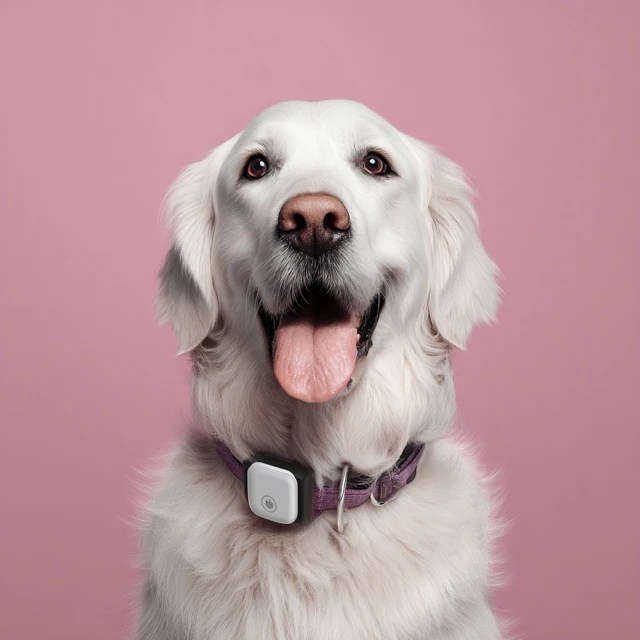
Image credit: Claudia Bensimoun
In 2025, one of the biggest trends in pet care is the rise of AI-powered dog health trackers — wearable devices that monitor your dog’s heart rate, sleep cycles, anxiety levels, daily activity, and even early signs of illness. With more veterinarians recommending early intervention and preventive care, AI pet tech has become one of the fastest-growing categories in the pet industry.
If you’re wondering whether these new smart collars actually improve your dog’s health, this updated guide breaks it all down — how they work, what vets think, and whether they’re truly worth the investment.
What Exactly Is an AI Dog Health Tracker?
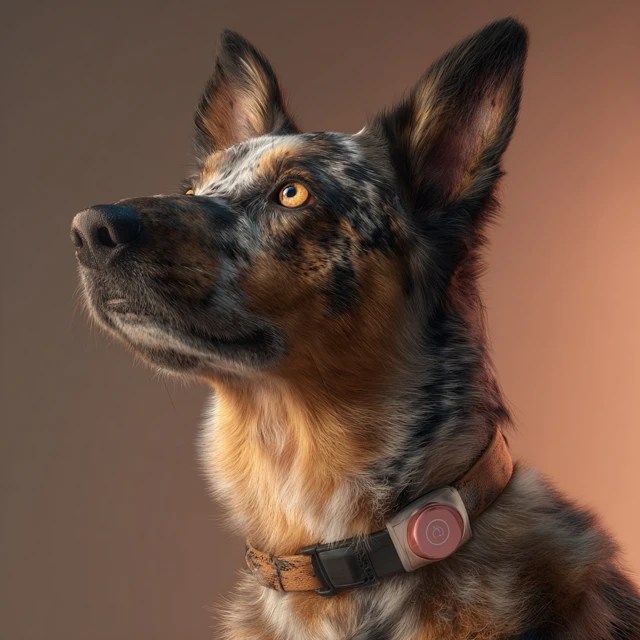
Image credit: Claudia Bensimoun
AI dog health trackers are wearable smart devices—usually collar attachments, harness sensors, or smart tags—that analyze your dog’s daily movements, sleep cycles, vital-sign patterns, and behavioral cues using machine learning. Unlike older pedometer-style trackers, these new-generation devices don’t just count steps. They continuously learn your dog’s unique physiology and behavior patterns, then alert you when something falls outside their normal range.
Using accelerometers, temperature sensors, heart-rate monitors, GPS, and sound/motion detection, AI trackers generate a personalized “baseline profile” for each dog. Over time, the device understands what is normal for your pet—how long they usually sleep, how often they scratch, their resting heart rate, typical activity intensity, and even their emotional stress responses.
When the AI detects subtle changes—such as reduced mobility, elevated nighttime pacing, unusual panting, restlessness, or spikes in scratching—it flags these trends as potential health concerns. Many trackers sync directly with veterinary telehealth platforms, allowing owners to share their dog’s data with a licensed veterinarian in real time. This creates a powerful preventive-care loop: early detection → early diagnosis → better outcomes.
Modern AI trackers can detect early signs of:
- Osteoarthritis and joint pain (decreased mobility, hesitation to jump)
- Anxiety disorders (night pacing, repetitive checking, excessive licking)
- Ear or skin infections (increased scratching or head shaking)
- Heart or respiratory issues (altered breathing or resting heart rate)
- Heatstroke risk (temperature spikes + low activity)
- Sleep disturbances (fragmented sleep, shortened REM cycles)
- Endocrine problems like hypothyroidism or Cushing’s (changes in activity + sleep)
- Obesity risk based on caloric burn data
Some advanced systems even integrate predictive analytics, estimating future health risks based on long-term data trends. This makes them extremely valuable for senior dogs, flat-faced breeds, working dogs, and dogs with chronic conditions.
Why AI Trackers Are Exploding in Popularity (2024–2025)

Image credit: Claudia Bensimoun
The rapid rise of AI-driven dog health trackers between 2024 and 2025 is directly tied to the shift toward preventive veterinary medicine and the growing demand for real-time health monitoring at home. Industry analytics show that digital tools for pets have become mainstream, with an estimated 78% of dog owners now using at least one type of health-tracking device or app, whether for activity, sleep quality, anxiety monitoring, or early-illness detection. This represents the largest adoption curve in the pet-tech sector to date.
Veterinary data also shows that dogs wearing AI trackers tend to receive professional medical intervention 30–40% earlier than dogs without monitoring devices. This is largely because AI systems flag subtle physiological changes—such as elevated resting heart rate, reduced nighttime sleep efficiency, or sudden drops in activity—long before owners notice behavioral clues. These early alerts often correspond to early signs of conditions like osteoarthritis, heat stress, infection, cardiac abnormalities, or anxiety disorders, allowing vets to diagnose and treat disease at a significantly earlier stage.

Image credit: Claudia Bensimoun
Studies from pet-wearable companies and veterinary telehealth networks reveal that roughly half of all AI health alerts (around 52%) identify early warning signs that owners would not have recognized on their own. These findings align with veterinary behavior and cardiology research showing that dogs often mask illness until disease is advanced. AI systems remove the guesswork by continuously comparing a dog’s daily patterns against their long-term behavioral baseline.
Veterinarians are increasingly supportive of these tools. Surveys from major veterinary associations report that around 70% of veterinarians find AI-generated health data helpful in shaping treatment plans, especially for chronic conditions such as arthritis, endocrine disorders, anxiety, and obesity. The data provides an objective record of how a dog is functioning at home, which complements clinical findings during in-person exams.
In short, AI dog health trackers are skyrocketing in popularity because they allow pet parents to see what their dogs cannot verbalize—from stress spikes to declining mobility—transforming guesswork into measurable insight. For many families, these devices provide peace of mind, while for veterinarians, they offer powerful new tools to support earlier intervention and better long-term outcomes.
Here are the most trusted AI-enabled dog trackers in 2025:
1. Whistle Health 2.0 (AI Bio-Behavior Tracking)
-
Tracks: licking, scratching, sleep cycles, anxiety behaviors, nutrition patterns
-
AI flags: allergies, pain, separation anxiety, obesity risk
-
Vet reports included (PDF)
2. FitBark GPS+ (AI Movement + Joint Health Monitoring)
-
Tracks: gait irregularities, early arthritis signs, weight trends
-
AI flags: reduced mobility, pain-onset indicators
-
Integrates with vets & pet insurance
3. Fi Smart Collar Series 4
-
Tracks: escapes, unusual movement shifts, low-activity illness flags
-
AI flags: fatigue trends, early infection indicators
-
Longest battery life on the market
4. PetPace Smart Collar (Clinical-Level Monitoring)
-
Tracks: temperature, pulse, respiration, HRV (heart rate variability)
-
AI flags: fever, pain, arrhythmia, stress, endocrine changes
-
Used by veterinary hospitals globally
5. Animo Activity & Behavior Monitor (AI Behavior Tracking)
-
Tracks: barking, shaking, sleep quality, scratching, restlessness
-
AI flags: anxiety spikes, allergies, cognitive decline (early CCD)
-
Ideal for senior dogs
Veterinary-Style FAQs: AI Dog Health Trackers
1. What exactly does an AI dog health tracker monitor?
AI dog health trackers measure multiple biometric and behavioral markers that help detect early illness.
Modern devices track activity levels, resting heart rate, respiratory rate, temperature changes, sleep cycles, scratching frequency, licking behavior, stress levels, and mobility patterns.
Veterinarians rely on these metrics because pups often hide pain. Subtle changes—such as decreased nighttime rest, slower stair climbing, or increased panting—may indicate early arthritis, infection, anxiety, hypothyroidism, heart disease, or inflammatory conditions long before physical symptoms become obvious.
2. Can an AI dog tracker really detect health problems before symptoms appear?
Yes. Clinical accuracy varies between brands, but research in 2024–2025 shows that AI pattern recognition can detect health deviations 48–96 hours before owners notice visible symptoms.
For example:
-
A sustained drop in activity + increased sleep fragmentation may signal pain or inflammation.
-
Elevated heart rate while resting can indicate fever, infection, or early cardiac disease.
-
Excessive nighttime pacing may point to anxiety, cognitive decline, or urinary issues.
This early insight helps veterinarians intervene faster, shortening recovery time and improving prognosis.
3. Are AI dog health trackers accurate enough for veterinarians to trust?
Most trackers are not medical devices, but their trend data is highly useful.
Veterinarians emphasize that while the devices don’t diagnose diseases, they provide continuous, real-world monitoring, something no clinic can offer.
A 2024 survey found that:
-
70% of vets use wearable data in treatment planning
-
82% say mobility trackers improve arthritis management
-
68% say AI sleep-pattern changes help detect pain disorders
Vets value data because the patterns often reveal issues the dog hides during short clinic exams.
4. Can AI pet trackers help with anxiety or behavioral problems?
Yes. AI trackers analyze physiological stress and behavior trends, allowing owners to pinpoint triggers.
Common insights include:
-
Increased heart rate + pacing during thunderstorms (noise phobia)
-
Nighttime wandering suggesting canine cognitive dysfunction
-
Elevated scratching or licking indicating allergies or dermatitis
-
Stress spikes during separation suggesting separation anxiety
Behaviorists and veterinarians often use this data to create personalized training or treatment plans.
5. Do AI dog trackers replace vet visits?
No. They enhance veterinary care but do not replace exams.
Think of them like a Fitbit + early warning system for your dog.
Trackers help you decide when a vet visit is needed but they cannot:
-
Diagnose diseases
-
Perform bloodwork
-
Take X-rays
-
Replace hands-on physical exams
They are powerful tools—but they work best in partnership with your veterinarian.
6. Are AI dog health trackers safe for dogs to wear daily?
Yes. Leading brands use pet-safe materials, low-power components, and secure attachment clips.
They emit very low energy signals—similar to AirTags or Bluetooth—well below harmful thresholds.
Veterinarians recommend choosing a tracker that is:
-
Water-resistant or waterproof
-
Comfortably sized for your dog’s neck
-
Durable for rough play
-
Secure (to avoid swallowing hazards)
Most dogs adapt to wearing the tracker within hours.
7. Do AI trackers work for senior dogs or dogs with chronic illness?
Absolutely — senior dogs may benefit the most.
AI devices can help track and manage:
-
Arthritis and joint pain
-
Cognitive decline (dog dementia)
-
Heart and respiratory issues
-
Mobility deterioration over time
Subtle declines in activity or increased nighttime restlessness often correlate strongly with declining quality of life.
Vets use this data to adjust pain medications, joint supplements, and nutritional plans.
8. Can puppies wear AI trackers?
Yes, if the device fits comfortably and is lightweight.
Puppies benefit from early monitoring because it helps identify:
-
Overexertion (important for large-breed puppies at risk of joint disease)
-
Sleep abnormalities
-
Early behavioral issues
-
Growth-related orthopedic problems
However, avoid heavy devices for puppies under 10–12 weeks.
9. What are the most reliable AI dog health trackers in 2025?
Here are the top veterinarian-recommended options:
Fi Series 3 Smart Collar
Best GPS + activity combo; strong accuracy and battery life.
Whistle Health & Whistle Health+
Top choice for veterinary-grade health insights (sleep, behavior, scratching, licking).
FitBark GPS 2
Lightweight, great for small dogs and puppies.
Animo 2 by Sure Petcare
Excellent for behavior changes and stress monitoring.
Invoxia Smart Pet Tracker
Advanced biometric sensors (best heart/respiratory analysis).
Each option offers slightly different strengths depending on your dog’s age, lifestyle, and health risks.
10. Are AI dog trackers worth the money?
For most pet parents, yes — especially if your dog is aging or prone to health issues.
Benefits include:
-
Early detection of disease (can save $1,000+ in emergency bills)
-
Behavior insights that improve training and anxiety management
-
GPS safety for escape-prone dogs
-
Data your veterinarian can actually use
For large breeds, seniors, or dogs with allergies, arthritis, heart disease, or anxiety, the investment is especially valuable.
Copyright © 2012–2025 Claudia Bensimoun • BarkUpToday™ — All rights reserved.
AI dog tracker, dog health tracker, best dog trackers 2025, smart dog collar, Fi collar review, Whistle Health, FitBark tracker, dog wearable tech, canine health monitoring, AI pet tech, early illness detection dogs, veterinary technology, dog GPS health collar, pet wearables 2025, Claudia Bensimoun
AI pet devices, monitor dog heart rate, dog sleep tracker, canine activity tracker, senior dog mobility tech, arthritis detection wearable, pet behavior monitor, stress tracking dogs, dog anxiety tracker, GPS + health collar, Invoxia pet tracker, dog biometric tracker, veterinary AI tools, BarkUpToday
Beautiful animals, and great pictures. Does your cat, always cozy up with the pony?