

How to Choose the Best Dog Collar: The Ultimate 2026 Safety & Style Guide
By Claudia Bensimoun
Updated in 2026. First published in 2012
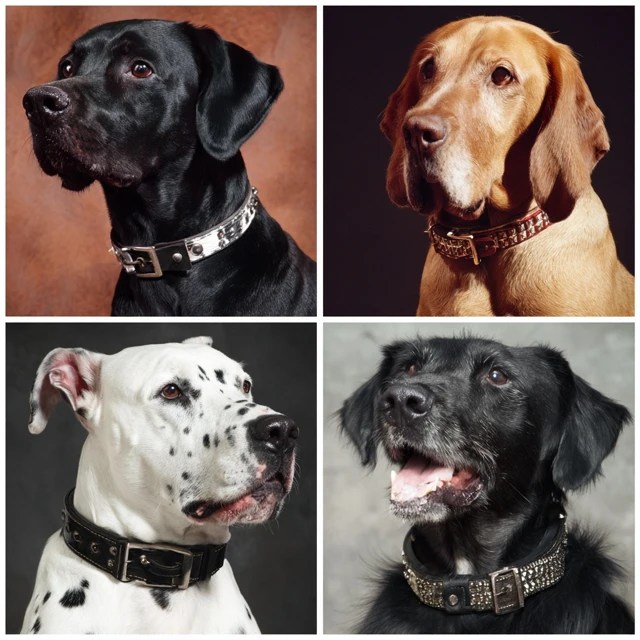
Since 2012, BarkUpToday has advocated that a collar is more than just a place to hang an ID tag—it is your primary communication tool and safety tether. With the 2026 pet market flooded with “smart” tech and tactical gear, making the right choice requires understanding your dog’s specific anatomy and lifestyle.
Quick Answer: How do I choose the right dog collar?
The best collar depends on your dog’s neck shape and behavior. For daily wear, a Flat Nylon or Biothane collar is the safest choice. If your dog pulls or has a narrow head (like a Greyhound), a Martingale collar is recommended. Always ensure there is room for two fingers between the collar and the neck to prevent choking or skin chafing.
First: What is the collar for?
Before you buy anything, decide the collar’s job:
- Everyday ID collar: holds tags, worn around the house
- Walking collar: used with a leash for regular walks
- Training/management collar: used for specific goals (like preventing slipping out)
- Special conditions: waterproof, reflective, medical needs, long coat, sensitive skin
Many dogs do best with two collars: a lightweight ID collar for daily wear + a sturdier walking option.
Harness vs. Dog Collar: Why the Harness Wins for Safety
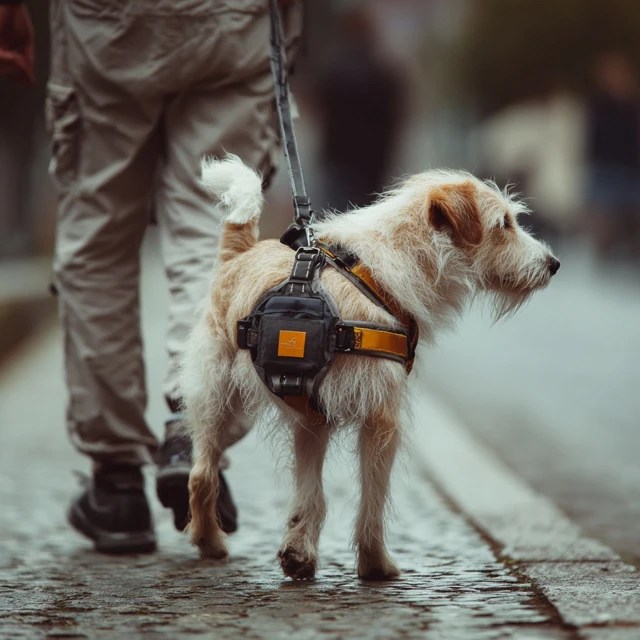
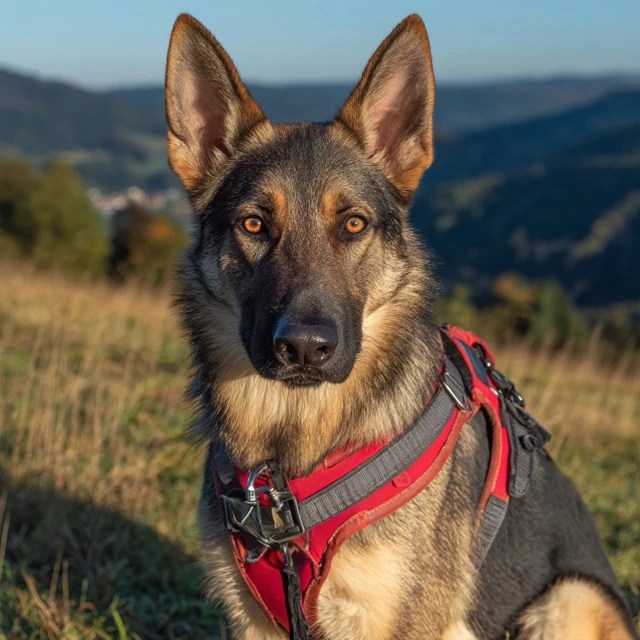
For everyday walking, training, and long-term health, a well-fitting dog harness consistently outperforms a traditional collar for most dogs. Collars concentrate pressure on a dog’s neck, which can strain the trachea, cervical spine, and thyroid, especially in dogs that pull, lunge, or have delicate anatomy.
Harnesses distribute force across the chest and shoulders instead, reducing the risk of airway damage, neck injuries, and discomfort. This makes harnesses particularly beneficial for puppies, senior dogs, small breeds, brachycephalic breeds, and dogs prone to respiratory or spinal issues. While collars still have a place for ID tags and calm, leash-trained dogs, harnesses provide a safer, more controlled option for daily walks and active lifestyles.
Collar types explained (what each is best for)
Table 1: Dog collar types at a glance
| Collar type | Best for | Not great for | Notes |
|---|---|---|---|
| Flat buckle collar (nylon/leather) | Most common, simple and safe when fit well | Heavy pullers, escape artists | Most common, simple, and safe when fit well |
| Martingale collar | Dogs that slip collars (sighthounds, narrow heads) | Unsupervised wear | Tightens slightly to prevent backing out |
| Limited-slip collar | Specialized training used only | Unsupervised wear | Similar to a martingale with fixed slip |
| Breakaway collar | Cats, tiny dogs, supervised ID | Leash walking | Designed to release under pressure |
| Head collar (gentle leader style) | Strong pullers with training | Dogs who hate face gear | Requires conditioning; not for yanking |
| Prong/e-collar | Specialized training is used only | Most owners | Good for quick control, still needs a correct fit |
If your dog pulls a lot, a collar is often the wrong tool for leash pressure. Many dogs benefit from a front-clip harness for walking while still wearing an ID collar.
Understanding Your Dog’s Anatomy and Breed Needs
Not all necks are created equal. Before you buy for style, you must buy for safety.
The #1 rule: fit matters more than brand
A perfectly designed collar becomes a problem if it’s too tight, too loose, or if it rubs in the wrong spot.
The “Two-Finger” Rule for Fit
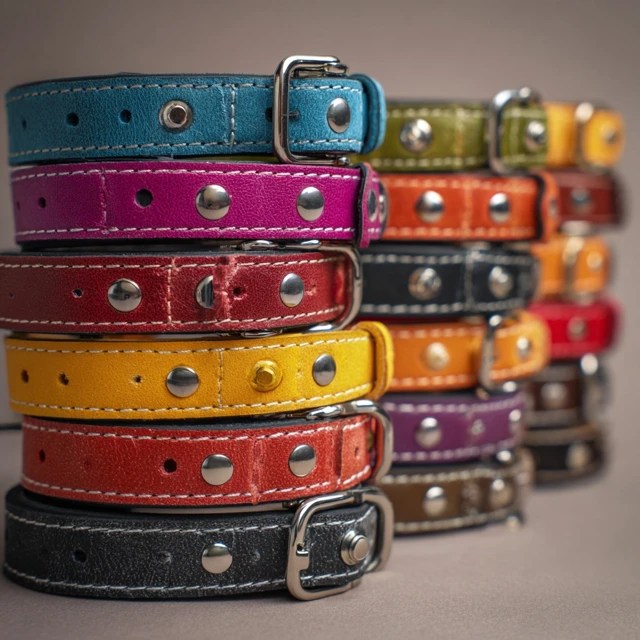
A collar that is too loose will slip off during a panic moment; one that is too tight can cause tracheal collapse. The industry standard remains the two-finger rule: you should be able to slide two fingers comfortably between the collar and your dog’s neck. For toy breeds, a “one-finger” rule applies to prevent overstimulation of their delicate windpipes.
How to Measure
Use a soft tape measure around the thickest part of your dog’s neck (usually near the base). Add about:
- 1 inch for small dogs
- 1–2 inches for medium/large dogs
Then compare to the brand’s size chart (always check, sizes vary).
The “two-finger” fit test (quick)
- You should be able to fit two fingers between the collar and the neck.
- The collar should sit high on the neck (not sagging down to the shoulders).
- If your dog can back out of it easily, it’s too loose or the wrong style.
Sighthounds vs. Bull Breeds
Bull Breeds (Frenchies, Pugs): These breeds are prone to Brachycephalic Airway Syndrome. For these dogs, collars should be used only for ID tags, while a harness should be used for walking to avoid pressure on the throat.
Sighthounds (Greyhounds, Whippets): Their necks are often wider than their heads. A standard flat collar will slide right off. You need a Martingale collar that tightens slightly (but safely) when your dog pulls.
Puppies: What collar should a puppy wear?
Puppies grow fast, so don’t overspend early.
Best puppy collar: lightweight flat collar with:
- easy adjustability
- quick-release buckle
- room to grow (but not lose)
Pro tip: check fit weekly in growth spurts. A collar that fit last month can be tight now.
Escape artists: the best collar style
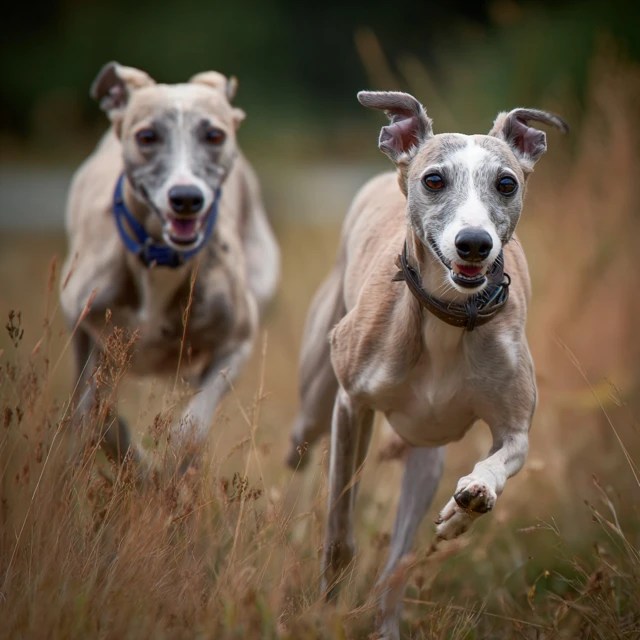
If your dog slips out of collars (standard in:
- sighthounds
- narrow-headed breeds
- fearful rescues),
A martingale is often the simplest solution.
Martingale key rule: It should be tightened enough to prevent escape but never to the point of choking. If it’s cranked down, it’s not fitted right.
The “choose your collar” cheat sheet
Pick the scenario that matches your dog:
- Calm adult dog + regular walks: flat buckle collar (nylon or leather)
- Slips out of collars: martingale
- Swims / gets muddy: waterproof coated (Biothane style)
- Sensitive skin/short coat rubbing: padded or leather
- Night walker: reflective collar
- Heavy puller: collar for ID + harness for walks
Materials: what to choose and why it matters
Table 2: Collar materials and who they suit
| Material | Pros | Cons | Best for |
|---|---|---|---|
| Nylon | Affordable, many styles, easy to clean | Can stink when wet; may rub | Everyday use, most dogs |
| Leather | Durable, classic, softens over time | Not ideal for constant water; pricier | Daily wear, sensitive skin (often) |
| Biothane/Waterproof coated | Waterproof, odor-resistant, easy wipe | Stiffer feel for some dogs | Beach dogs, swimmers, muddy adventures |
| Neoprene padded | Every use, most dogs | Can trap moisture if wet often | Comfortable, suitable for rubbing-prone dogs |
If your dog has skin irritation, look for:
- smoother edges
- lighter weight
- fewer seams
- breathable material
And avoid leaving a wet collar on for hours.
Materials Matter: Nylon, Leather, or Biothane?
In 2026, the materials used in pet gear have become more durable and hypoallergenic.
- Nylon: The classic choice. It’s lightweight and comes in endless patterns. However, it can retain bacteria and odors if it becomes wet.
- Leather: A high-quality leather collar is incredibly durable and “breathes” better than synthetic materials. It eventually molds to your dog’s neck, providing a custom fit.
- Biothane (The 2026 Favorite): Biothane is a polyester webbing with a TPU/PVC coating. It is waterproof, stink-proof, and easy to clean. It is the top choice for adventure dogs who love mud and swimming.
Safety features that actually matter
You don’t need 20 “tactical” attachments. You need the basics.
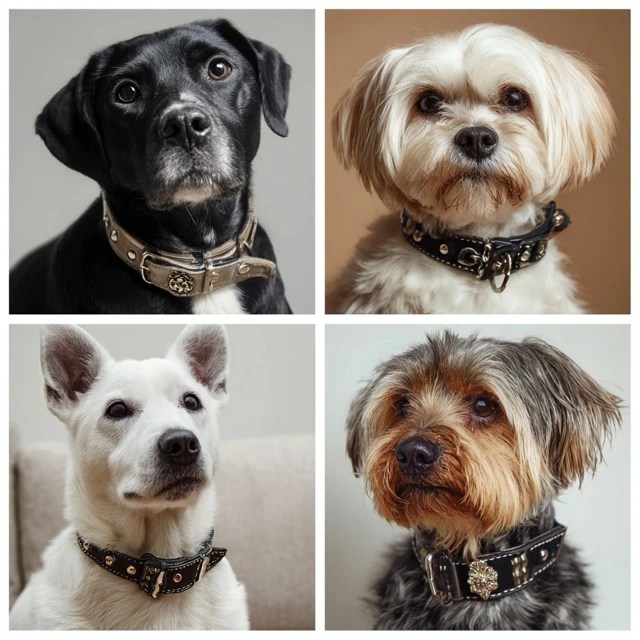
Look for:
- Sturdy hardware: metal D-ring, strong buckle
- Reflective striping: for night walks
- Tag attachment: secure ring or built-in ID plate
- Breakaway option: only if your dog wears it unsupervised and safety is a concern (but don’t leash-walk on breakaway)
Consider an ID upgrade:
1. Microchip (collar is still critical because chips aren’t visible)
2.ID plate with engraving (quieter than dangling tags)
3. QR code tag (helpful, but don’t rely on it alone)
The Rise of the Tactical Dog Collar
Tactical collars (often 1.5 to 2 inches wide) are designed for heavy-duty use. They usually feature a Cobra buckle and a built-in handle. These are excellent for large, powerful breeds where you might need to grab the dog quickly for control, but they are too heavy for smaller dogs.
Smart Collars and GPS Integration
By 2026, GPS collars will have become smaller and more affordable. If your dog is a “flight risk” or lives on a large property, choosing a collar with a built-in pocket for an AirTag or a dedicated GPS tracker like Whistle or Tractive is a non-negotiable safety upgrade.
Conclusion: Safety First, Style Second
The best dog collar is the one that matches your dog’s body, behavior, and daily life: properly fitted, comfortable, and safe. If you focus on fit first, choose the right collar type for your dog’s habits (pulling, slipping out, swimming), and keep ID visible, you’ll end up with a collar that disappears into the background. Which is precisely what a good collar should do.
Choosing between a harness and a collar isn’t just about aesthetics; it’s about making a daily investment in your dog’s long-term health. While a high-quality Biothane or leather collar is the perfect permanent home for your dog’s ID tags, the Y-shaped harness remains the gold standard for safe, stress-free walking.
By prioritizing neck protection and ergonomic fit, you ensure that every walk is a bonding experience rather than a struggle. At BarkUpToday, our mission is to help you navigate the noise of the pet industry to find the gear that truly serves your dog’s well-being. Whether you are hitting the mountain trails or just strolling the block, remember: Style is secondary; safety is forever.
Expert-Verified: Dog Collar & Harness Safety FAQs (2026 Edition)
Q: Should my dog wear a collar 24/7?
A: While it’s essential for ID purposes, many experts recommend taking the collar off at night or when the dog is in a crate. “Crate strangulation” is a rare but real danger where a collar gets snagged on a wire. If they must wear one, consider a break-away collar designed to snap open under high pressure.
Q: Is a harness better than a collar for walking?
A: If your dog pulls, a harness (specifically a front-clip harness) is safer for their neck. However, a collar is still necessary for carrying ID tags and for dogs who have mastered loose-leash walking. At BarkUpToday, we recommend the “Tag on the Collar, Lead on the Harness” approach.
Q: How often should I replace my dog’s collar?
A: Inspect the collar every three months. Look for frayed edges, rusted hardware, or weakened plastic buckles. Nylon collars typically last 1–2 years, while well-maintained Biothane or leather collars can last 5+ years.
Q: What is the safest collar for a puppy?
A: Puppies grow rapidly. Choose a lightweight, adjustable nylon collar. Check the fit every week; you will be surprised by how quickly a puppy can outgrow a collar, which can lead to painful “ingrown” collar injuries.
Q: Are “Aversive” collars (Prong/Choke) safe?
A: Modern 2026 veterinary guidelines suggest moving away from aversive gear toward Positive Reinforcement and No-Pull Harnesses. Choke chains can cause permanent laryngeal damage and increased intraocular pressure, which is especially dangerous for breeds prone to glaucoma.
Q: What is the best dog collar for everyday use?
A flat buckle collar that fits well and holds ID tags is best for most dogs. Choose durable hardware and a comfortable material.
© 2012–2026 BarkUpToday. All Rights Reserved. Helping pet parents stay prepared since 2012. Visuals © 2026 BarkUpToday.
There are some great ideas here! We’ll have to see if some ship to Europe…!
Thanks for the great ideas!
Love the Boo! collar 🙂