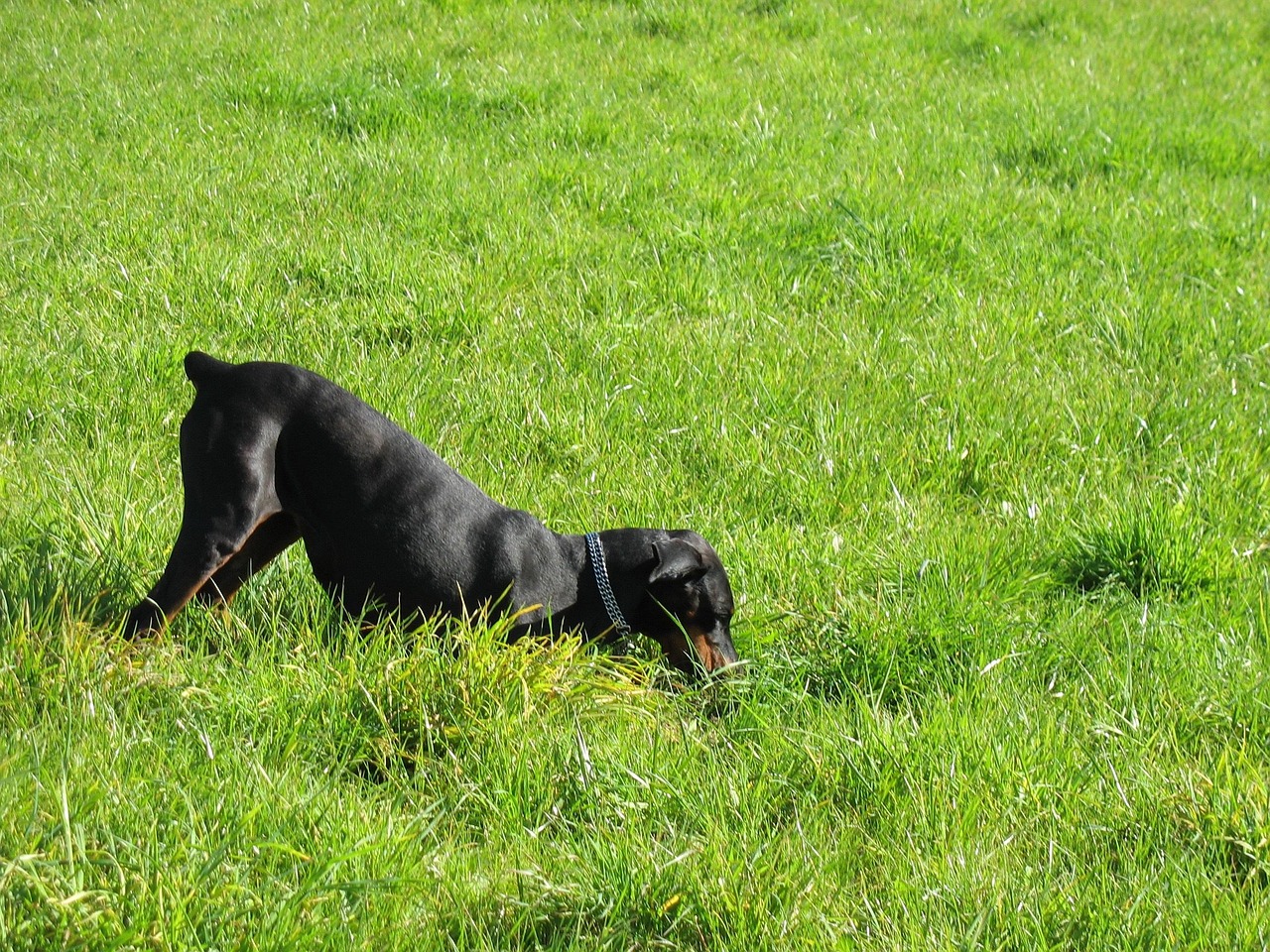
Can dogs eat grass? It’s one of the most common things dog owners wonder about. Your dog has a full bowl of food at home, yet the moment you step outside, they’re nibbling the lawn like a grazing sheep. Many people assume it means their dog feels sick.
Affiliate disclosure: As an Amazon Associate I earn from qualifying purchases. This article contains affiliate links, which may earn BarkUpToday a commission at no additional cost to you. Read our Affiliate Disclosure for details.
Research tells a more reassuring story. For most dogs, eating grass is a normal, everyday behavior. Here’s what scientists have learned, the main theories behind it, and the situations where grass eating does deserve a closer look.

Quick Answer: Why Do Dogs Eat Grass?
Most dogs eat grass because it’s a normal canine behavior, not because they’re ill. In a University of California, Davis survey of more than 1,500 plant-eating dogs, only 9 percent frequently seemed unwell beforehand, and only 22 percent regularly vomited afterward. Occasional grazing on untreated grass is usually harmless, but see your veterinarian if it becomes sudden, frantic, or comes with vomiting, diarrhea, or weight loss.
Key Takeaways
- Grass eating is common in healthy dogs and usually isn’t a sign of illness.
- Most dogs don’t vomit after eating grass.
- The behavior may be inherited from wild ancestors that ate plants regularly.
- The real risks come from lawn chemicals, toxic plants, and parasites, not the grass itself.

Is It Normal for Dogs to Eat Grass?

Yes. The most detailed research on the subject comes from veterinary behaviorists at UC Davis, published in 2008 in Applied Animal Behaviour Science. In the study’s first survey, 79 percent of owners whose dogs had daily access to plants said their dog had eaten grass or other plants.
A larger online survey of plant-eating dogs found that 68 percent ate plants daily or weekly, and grass was by far the most popular choice. The researchers concluded that plant eating is a normal behavior in domestic dogs rather than a symptom of disease.
The Most Likely Reasons Dogs Eat Grass

An Instinct Inherited From Wild Ancestors
Wild canids such as wolves are known to eat plant material. Dr. Benjamin Hart, a veterinary behaviorist at UC Davis, has suggested that regular plant eating may have helped wild ancestors pass intestinal parasites by adding bulk that moves things through the gut. Domestic dogs may have simply kept the habit. As Hart explains in a summary for veterinarians, this remains a hypothesis rather than a proven fact. His research also found that younger dogs eat plants more often than older ones.
They Like the Taste and Texture
Fresh grass, especially tender new growth in spring, is soft, juicy, and slightly sweet. Many dogs are picky about it, choosing certain blades and ignoring others, which suggests some dogs simply enjoy it.
Boredom, Anxiety, or Attention
Dogs that don’t get enough exercise or mental stimulation may graze to pass the time, and some learn that eating grass quickly gets a reaction from their owner. If grass eating seems compulsive or tied to stressful situations, our guide to dog anxiety signs and triggers can help you spot the pattern.
An Upset Stomach, in a Minority of Dogs
Some dogs do eat grass when their stomach is bothering them. The UC Davis researchers found that dogs showing signs of illness before eating plants were more likely to vomit afterward than dogs that seemed well. These dogs are the exception, though, not the rule.
Could a Nutrient Gap Be the Cause?
It’s a popular theory, but there’s little evidence for it. Dogs eating a complete and balanced commercial diet generally get the vitamins and minerals they need, and no study has shown that supplements stop grass eating. If you’re worried about your dog’s diet, start with your veterinarian, especially for dogs on homemade or limited-ingredient diets.
If you’re considering nutritional support for your dog, Solid Gold SeaMeal is a seaweed-based supplement marketed for pets. Supplements have not been shown to prevent grass eating, and kelp can contain substantial iodine. Check that the product and serving directions are appropriate for your dog, and ask your veterinarian before adding it, particularly if your dog has a thyroid condition.
Another option to discuss with your veterinarian is the Native Pet Daily Dog Supplement. Before introducing any daily supplement, review the ingredient list and feeding directions to make sure it suits your dog’s diet and health needs. There is no evidence that this supplement prevents grass eating.
Why Does My Dog Eat Grass and Then Throw Up?
Because vomiting after grass eating is memorable, it’s easy to assume it happens every time. In reality, fewer than one in four grass-eating dogs regularly vomits afterward. If your dog vomits often, whether or not grass is involved, that’s a reason to see your veterinarian rather than a normal part of grazing.
Is Eating Grass Bad for Dogs?
Clean, untreated grass is generally harmless. The risks come from what’s on or around it:
| Risk | Why It Matters | What to Do |
|---|---|---|
| Pesticides, herbicides, and fertilizers | Lawn treatments can irritate the gut or be toxic | Keep dogs off recently treated lawns; ask about chemicals in parks |
| Toxic plants | Ornamental plants mixed into grass can be poisonous | Learn which plants in your yard are unsafe for dogs |
| Parasites | Grass contaminated by other animals’ feces can carry worm eggs | Keep your dog on a parasite prevention plan and avoid heavily used patches |
| Grass awns (foxtails) | Barbed seed heads can lodge in the mouth, nose, or throat | Avoid seeding wild grasses, especially in summer |
When Should You Call the Vet?
- Your dog suddenly starts eating grass frantically or in large amounts
- Grass eating comes with repeated vomiting, diarrhea, or blood in vomit or stool
- Your dog seems lethargic, loses interest in food, or loses weight
- Your dog is also eating non-food items such as dirt, rocks, or fabric
- You think your dog ate grass treated with chemicals or a toxic plant
How to Reduce Grass Eating
Most dogs don’t need to stop entirely, but if you’d like to curb the habit, increase daily exercise and mental enrichment with walks, puzzle feeders, and chew toys. Teach a reliable “leave it” cue and reward your dog for walking past the lawn. Some owners also grow a pot of dog-safe grass, such as wheatgrass or oat grass, so their dog can graze on something clean.
Conclusion
A dog nibbling grass is, in most cases, just being a dog. The research shows the behavior is common, usually unrelated to illness, and rarely ends in vomiting. Focus your attention on what your dog might be eating along with the grass, such as chemicals, toxic plants, or parasites, and on any sudden change in your dog’s habits or health.
Why Do Dogs Eat Grass? FAQs
Should I stop my dog from eating grass? Usually there’s no need, as long as the grass is free of chemicals and your dog isn’t sick. Redirect your dog if the area may be treated or contaminated.
Do dogs eat grass because they need more fiber or vitamins? Possibly in some dogs, but the evidence is limited. If you’re concerned about your dog’s diet, talk to your veterinarian before adding supplements.
Why does my puppy eat so much grass? Young dogs eat plants more often than older dogs, and puppies explore the world with their mouths. Supervise them, and keep them away from treated lawns and garden plants.
Is it normal for my dog to eat grass every day? For many dogs, yes. Daily grazing in a healthy dog isn’t a concern on its own. A sudden increase, or grazing paired with digestive signs, is worth a vet visit.
This article is for educational purposes and doesn’t replace advice from your veterinarian.
© 2012–2026 BarkUpToday. All rights reserved.
Leave a Reply