First published in 2013. Fully updated for accuracy and veterinary review in 2025.
By Claudia Bensimoun
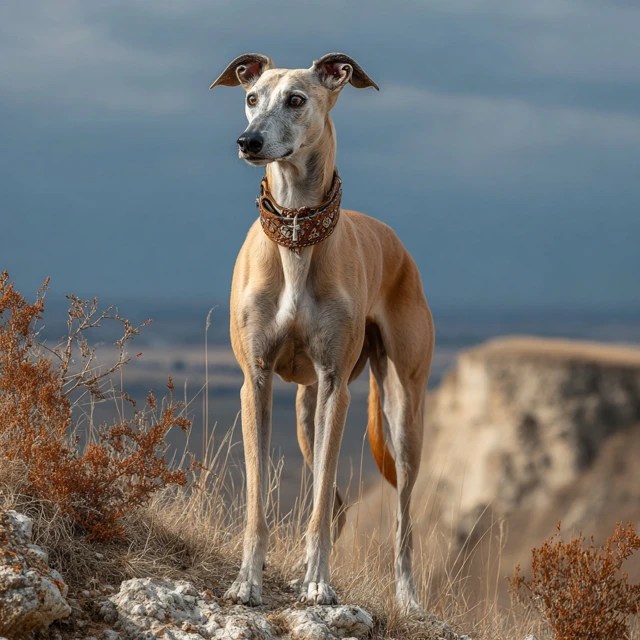
The 2025 updated guide to the Sloughi, also known as the Arabian Greyhound. Learn about the breed’s North African origins, AKC/UKC recognition, temperament, size, color standards, veterinary health risks, exercise needs, grooming, genetics, and FAQs. Includes charts, updated research, and family suitability scores.
The Arabian Greyhound
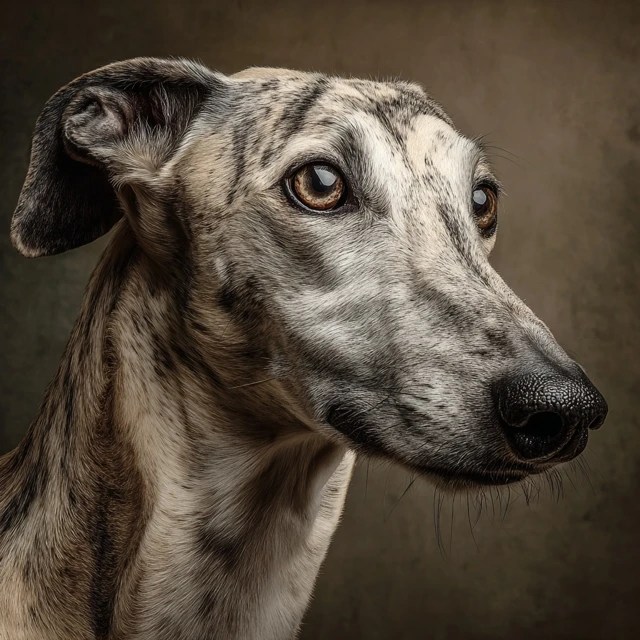
The Sloughi, also known as the Arabian Greyhound, is one of the oldest sighthounds in existence and one of North Africa’s most treasured breeds. Originating from Morocco, Algeria, Tunisia, and Libya, this elegant, emotionally sensitive desert dog was bred for hunting game across harsh landscapes and for serving as a tireless companion to nomadic peoples.
Today, the Sloughi remains rare but highly respected for its intelligence, loyalty, athleticism, and dignified temperament. Its unique temperament sets it apart from many Western sighthound breeds—Sloughis bond deeply with their families but maintain the keen awareness and independence of a true desert hunter.
REGISTRY INFORMATION (AKC & UKC – 2025 Update)
AKC (American Kennel Club)
- Group: Hound Group
- Breed Standard Approved: 2016
- Recognized Traits: elegance, medium-framed sighthound with strong musculature, minimal trimming
- AKC Events: conformation, lure coursing, agility, obedience (limited)
UKC (United Kennel Club)
- Group: Sighthound & Pariah Dog Group
- Recognition: Fully recognized; registry active in North America
- UKC Focus: hunting ability, temperament, structural efficiency
FCI (Fédération Cynologique Internationale)
- Country of Origin: Morocco
- Group 10 – Sighthounds
- Section 1 – Short-Haired Sighthounds
HISTORY & ORIGIN
The Sloughi is believed to descend from ancient drop-eared African sighthounds depicted in Egyptian art dating back thousands of years. Historically prized by Berber tribes, Bedouins, and nomadic pastoralists, the Sloughi was bred for:
- Hunting hare, jackal, fox, gazelle, and desert antelope
- Guarding flocks against predators
- Companionship during long desert migrations
The breed nearly disappeared in the 19th and 20th centuries due to disease, conflict, and loss of nomadic lifestyles. Renewed preservation efforts from Morocco and breed fanciers worldwide have helped stabilize the population.
BREED DESCRIPTION
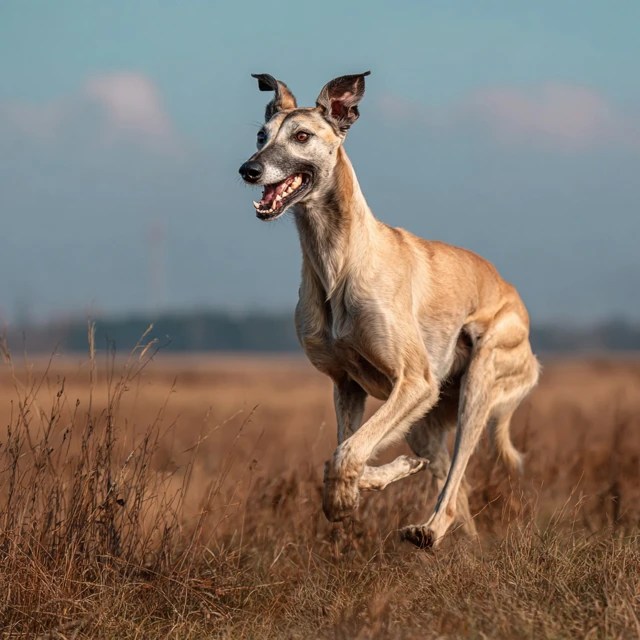
The Sloughi is a medium-sized, elegant, muscular, square-built sighthound developed for endurance and speed. Unlike some Western sighthounds, the Sloughi’s body is slightly less exaggerated, emphasizing balance, stamina, and durability over extreme speed.
General Appearance
- Long, graceful neck
- Fine but strong bone
- Clean, dry, aristocratic head
- Deep chest with tucked waist
- Natural drop ears
- Smooth, short coat
Coat & Color
Coat is short, fine, and silky, requiring minimal grooming.
Approved colors include:
- Sand to red fawn
- Sand or fawn brindle
- Black and tan
- Any of the above with or without a black mask
- Limited white on toes or chest allowed
Type Variations
- Desert Sloughi – lighter, refined, sprint-oriented
- Mountain Sloughi – more substance and slightly stronger build
Height & Weight
Males: 26–29.5 in
Females: 24–27 in
Weight range: 40–63 lbs
SLOUGHI PUPPY DEVELOPMENT TIMELINE GRAPH (2025 Edition)
GRAPH DATA TABLE
| Age Range (Months) | Sensory Development | Social Confidence | Prey Drive | Trainability | Emotional Maturity | Physical Maturity |
|---|---|---|---|---|---|---|
| 0–2 months | 4/10 | 3/10 | 1/10 | 2/10 | 1/10 | 2/10 |
| 2–4 months | 6/10 | 5/10 | 3/10 | 4/10 | 2/10 | 3/10 |
| 4–6 months | 7/10 | 6/10 | 4/10 | 5/10 | 3/10 | 4/10 |
| 6–9 months | 8/10 | 6/10 | 6/10 | 6/10 | 4/10 | 5/10 |
| 9–12 months | 9/10 | 6/10 | 7/10 | 6/10 | 5/10 | 6/10 |
| 12–18 months | 10/10 | 7/10 | 8/10 | 7/10 | 6/10 | 7/10 |
| 18–24 months | 10/10 | 8/10 | 9/10 | 8/10 | 7/10 | 8/10 |
| 24–36 months | 10/10 | 9/10 | 10/10 | 8/10 | 8/10 | 9/10 |
| 36–48 months | 10/10 | 10/10 | 10/10 | 9/10 | 10/10 | 10/10 |
Sloughi Puppy Development Timeline (0–48 Months): A visual overview of how sensory, social, emotional, and physical maturity progress in this slow-developing, ancient sighthound breed.
TEMPERAMENT & BEHAVIOR
The Sloughi is a sensitive, affectionate, emotionally bonded breed, known for its:
- Deep attachment to family
- Reserved nature with strangers
- Quiet indoor presence
- Excellent compatibility with gentle children
- Natural prey drive outdoors
- High intelligence but soft training sensitivity
This breed matures slowly, often taking 3–4 years to reach emotional adulthood.
Best for homes that are:
- Calm
- Predictable
- Patient
- Respectful of sensitive dogs
- Active enough for daily exercise
EXERCISE & SPECIAL NEEDS
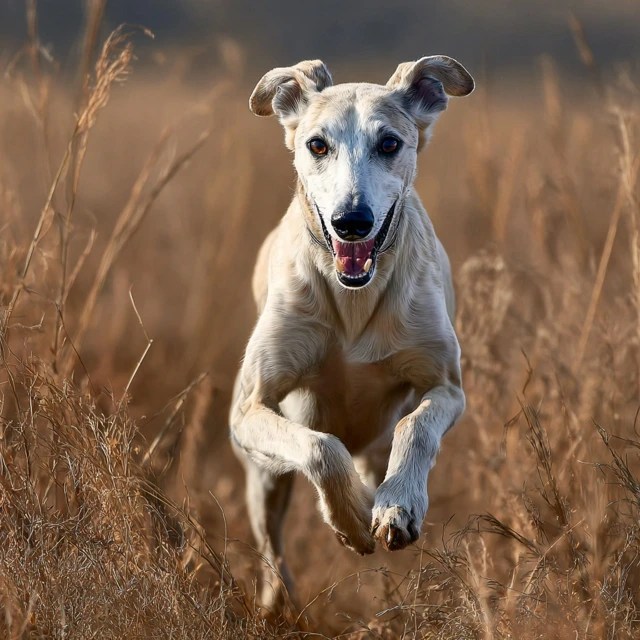
Sloughis require:
- Daily aerobic exercise (lure coursing, sprinting, long walks)
- Early socialization during a critical sensitive period
- Gentle, positive reinforcement training
- Quiet environments
- Sensitive handling (no harsh discipline)
They do best with experienced sighthound homes.
SLOUGHI vs. SALUKI vs. AZAWAKH — COMPARISON GRAPH (2025)
Scale: 1 = Very Low, 10 = Very High
Below is a fully structured data table for a bar chart or multi-line graph.
GRAPH DATA TABLE
| Trait | Sloughi | Saluki | Azawakh |
|---|---|---|---|
| Prey Drive | 10/10 | 9/10 | 9/10 |
| Stranger Aloofness | 8/10 | 7/10 | 10/10 |
| Exercise Needs | 7/10 | 8/10 | 9/10 |
| Sensitivity | 9/10 | 8/10 | 7/10 |
| Trainability | 6/10 | 7/10 | 5/10 |
| Guardian Instinct | 4/10 | 3/10 | 8/10 |
| Heat Tolerance | 9/10 | 10/10 | 10/10 |
Breed Specific Tips
Sloughi (North Africa)
- Most emotionally sensitive
- Deepest family bonding
- Strong prey drive and reserved nature
- Moderate guarding instinct
- Excellent desert heat tolerance
Saluki (Middle East)
- Slightly more aloof yet gentle
- Extremely heat-tolerant
- Highly athletic with greater endurance
- Lightest guarding tendencies of the three
Azawakh (Mali/Niger/Burkina Faso)
- Combines sighthound speed with LGD-like territoriality
- Strongest guarding instinct
- Most intense exercise demands
- Extremely heat-adapted, desert optimized
Sloughi (Arabian Greyhound) HEALTH PROFILE
The Sloughi is considered one of the healthiest sighthound breeds. Still, because it is genetically distinct and geographically isolated, it has unique health patterns that differ from Salukis, Greyhounds, and Azawakhs.
Below is the complete veterinary profile, rewritten for accuracy, depth, and modern breeding practices.
1. Anesthesia Sensitivity (Critical Sighthound Risk Category)
Sloughis share the classic sighthound physiology:
- Low body fat percentage
- High muscle mass to fat ratio
- Slower metabolism of lipid-soluble anesthetics
This makes them sensitive to:
- Thiopental
- Ketamine combinations
- Acepromazine in high doses
- Older barbiturate anesthetics
Safe protocols:
- Propofol induction
- Isoflurane or Sevoflurane maintenance
- Avoid reversible sedatives in high doses (medetomidine)
- Careful IV fluids due to low body fat
- Monitor blood pressure continuously
Sloughi-specific concern: Post-anesthetic hypothermia due to low insulation.
2. Ophthalmologic Conditions (PRA, Retinal Disorders)
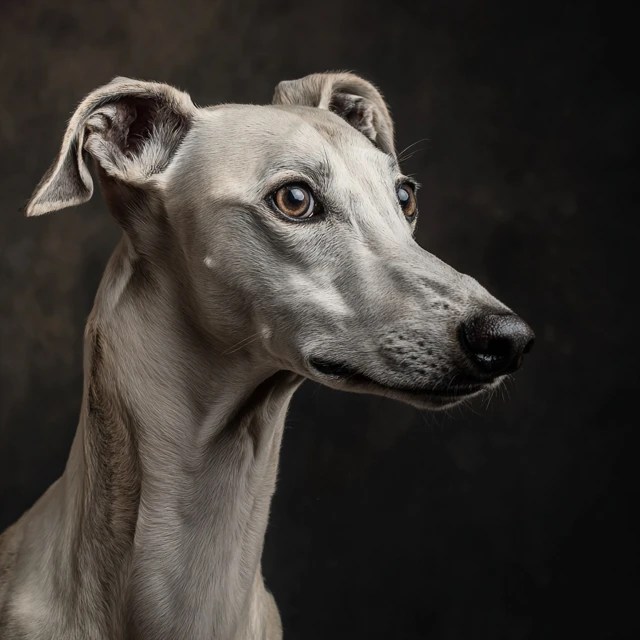
The Sloughi shows a moderate global incidence of Progressive Retinal Atrophy (PRA), specifically:
- PRA-PRCD mutation
- Central PRA variants
Symptoms typically appear between 3 and 7 years.
Testing:
- Genetic test for PRA-PRCD
- Annual ophthalmologic exam (CAER)
- Avoid breeding carriers × carriers
3. Autoimmune Disorders (Breed-Specific Sensitivities)
The Sloughi is genetically predisposed to specific autoimmune issues:
A. Masticatory Muscle Myositis (MMM)
- Autoimmune reaction against 2M muscle fibers
- Signs: jaw pain, difficulty opening the mouth, muscle wasting
- Treatment: corticosteroids and immune suppression
B. Autoimmune thyroiditis
- Often underdiagnosed
- Leads to lethargy, weight changes, and mental dullness
C. Autoimmune skin disorders
- Rare but documented in breed clubs
- Typically responsive to immunosuppressive therapy
Sloughis should NEVER be vaccinated with multi-combo vaccines—use single-agent protocols.
4. Cardiac Health — Low Risk but Monitored
Sloughis typically have:
- Athletic hearts
- Low resting heart rates
- Low murmur incidence
However, age-related:
- Mitral valve insufficiency
- Sinus arrhythmia
- Occasional ventricular arrhythmias
Annual senior ECGs are recommended.
5. GI Sensitivity & Nutritional Considerations
Sloughis have delicate digestion due to their desert heritage:
- Sensitive to high-fat diets
- May develop gastritis from abrupt diet changes
- More likely to show food intolerances (chicken, wheat)
Notable GI concerns:
A. Chronic Gastritis & Sensitive Stomach
Frequent in sighthounds.
B. IBD (Inflammatory Bowel Disease)
Rare but seen in some European lines.
C. Pancreatic Enzyme Sensitivity
Unlike German Shepherds, Sloughis rarely get EPI, but are prone to digestive upset.
D. Bloat (GDV)
Risk: low to moderate, especially in:
- deep-chested individuals
- homes that feed 1 large meal per day
Prevention:
- 2–3 smaller meals
- No heavy exercise 1 hour before/after meals
- Elevated dishes NOT recommended (increases GDV risk)
6. Musculoskeletal Health (Very Strong Breed Category)
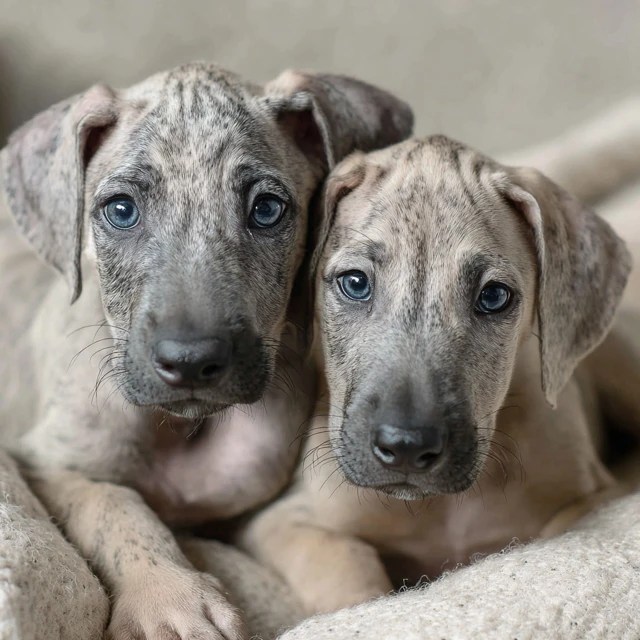
Desert sighthound lines have extremely strong:
- Tendons
- Ligaments
- Long-distance running joints
But risks include:
- Toe injuries (common in lure coursing)
- Muscle strain from sprinting
- Occasional patellar luxation in lighter-built Desert Sloughis
Hip dysplasia is rare due to strict selection in ancestral populations.
7. Hematologic (Bloodwork) Differences
Sloughis may have:
- Higher RBC count
- Lower platelet count
- Higher PCV
- Lower WBC count
This is normal for sighthounds and should not be misdiagnosed as illness.
8. Lifespan & Aging Trends
The Sloughi has impressive longevity:
- Average: 12–14 years
- Many live: 14–16 years
- Minimal cancer incidence compared to other large breeds
Senior Sloughis often remain active well into their teens.
HEALTH RISK GRAPH — 1 (0 = Very Low Risk, 10 = High Risk)
(Using your preferred palette: Steel Blue = low, Amber = medium, Red = high)
| Health Category | Score | Notes |
|---|---|---|
| Hip Dysplasia | 2/10 | Rare in breed |
| Elbow Dysplasia | 1/10 | Extremely rare |
| PRA / Retinal Disease | 5/10 | Moderate incidence |
| MMM (Jaw Myositis) | 4/10 | Breed-documented |
| Autoimmune Thyroiditis | 3/10 | Light-to-moderate risk |
| GI Sensitivity | 6/10 | Common |
| Anesthesia Sensitivity | 8/10 | High sighthound risk |
| Cardiac Issues (Senior) | 3/10 | Low incidence |
| Bloat (GDV) | 4/10 | Low-moderate |
| Longevity (reverse score) | 2/10 | High longevity = low risk |
TEMPERAMENT & LIFESTYLE GRAPH (1–10)
| Category | Score |
|---|---|
| Family Suitability | 8/10 |
| Sensitivity Level | 9/10 |
| Prey Drive | 8/10 |
| Trainability | 6/10 |
| Stranger Wariness | 8/10 |
| Energy Level | 7/10 |
| House Manners | 9/10 |
| Dog Socialization | 7/10 |
BREEDER HEALTH TESTING RECOMMENDATIONS (2025 UPDATE)
MUST HAVE:
- PRA-PRCD DNA test
- Annual eye exam (CAER)
- Full dental/oral exam (check for MMM signs)
- Thyroid panel
OPTIONAL BUT IDEAL:
- Cardiac auscultation + senior ECG
- GI sensitivity lineage history
- Autoimmune pedigree review
NOT REQUIRED:
- Hip/elbow OFA (but still recommended for transparency)
FAQ’s
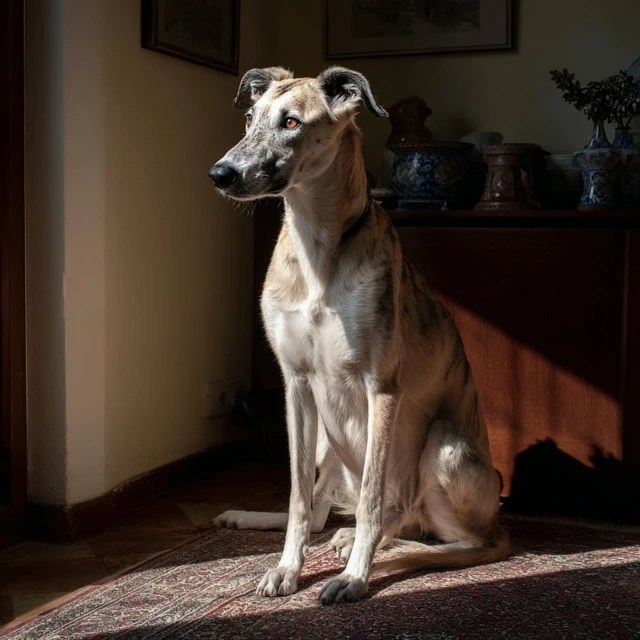
1. What genetic health issues are Sloughis most prone to, and how serious are they?
The Sloughi is considered one of the healthier sighthound breeds, but it has several breed-specific genetic risks that owners and breeders must monitor closely. The most significant is Progressive Retinal Atrophy (PRA), a hereditary eye disease caused by mutations in the PRCD gene that leads to gradual vision loss and eventual blindness. DNA testing is widely available and should be mandatory for breeding pairs.
Another critical concern is masticatory muscle myositis (MMM), an autoimmune condition that causes painful inflammation and atrophy of the muscles responsible for chewing. While treatable if caught early, the disease can become chronic without proper veterinary intervention.
The breed also shows occasional cases of autoimmune thyroiditis, sighthound-specific anesthesia sensitivity, and senior cardiac changes. Despite these risks, the Sloughi maintains excellent longevity, often living 12–14+ years with proper preventive care.
2. Are Sloughis suitable for first-time dog owners or families with children?
Sloughis can be wonderful family companions, but they are not typically recommended for first-time dog owners unless the household is exceptionally committed, patient, and educated in sighthound behavior.
This breed is emotionally sensitive, highly bonded, and easily overwhelmed by chaotic or unpredictable environments. They thrive in calm homes with respectful children who understand how to interact gently with dogs.
Because Sloughis are wary of strangers, families must prioritize early socialization, positive reinforcement, and clear routines. When raised with children, Sloughis tend to be gentle, quiet, and affectionate. However, due to their high prey drive, they require careful supervision around small pets and outdoor environments where wildlife triggers may be present.
3. How much exercise does a Sloughi really need each day?
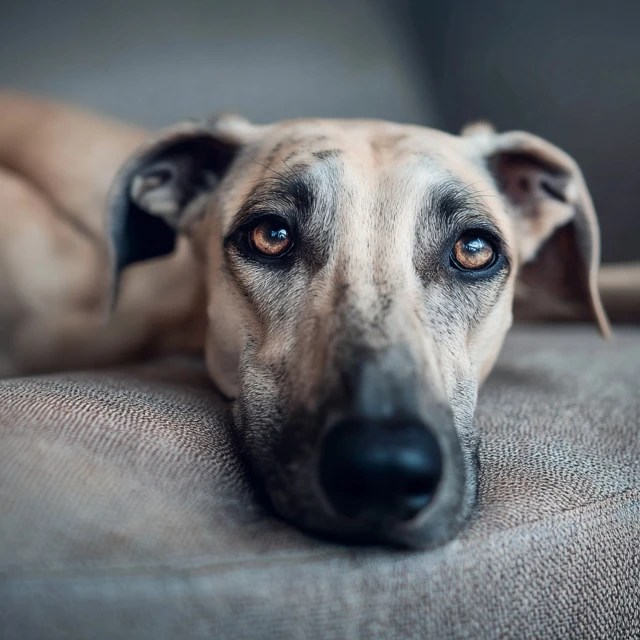
Although Sloughis are calm and quiet indoors, their athletic history means they require daily structured exercise. As desert-bred sighthounds, they were initially developed to pursue game across vast open terrain, combining endurance with explosive sprinting ability.
A healthy adult Sloughi typically needs:
- 45–90 minutes of activity daily
- At least one opportunity to run each week safely
- Mental stimulation, such as scent games, lure coursing, or controlled play
Sloughis are not hyperactive, but they do become anxious or frustrated without adequate movement. Long walks, safe enclosed running, and gentle conditioning activities help keep their muscles strong and prevent common injuries such as soft-tissue strains or toe sprains.
4. How does the Sloughi’s temperament differ from that of other sighthounds like the Saluki or Greyhound?
While all sighthounds share certain traits, the Sloughi has a uniquely sensitive, introspective, and loyal temperament that sets it apart. Unlike the Saluki, which can be aloof, or the Greyhound, which tends to be more laid-back and adaptable, the Sloughi forms deep emotional bonds with its family members and is highly attuned to household dynamics.
Sloughis are known for:
- Strong family loyalty
- A cautious approach to strangers
- An exceptionally high sensitivity to tone and mood
- A gentle, cat-like indoor presence
- Slow emotional maturation (up to 3–4 years)
Their temperament is best described as a blend of intelligence, dignity, and quiet devotion. Owners must understand and respect their sensitivity to ensure a confident, well-adjusted dog.
5. What should prospective owners know about Sloughi grooming and skin care?
The Sloughi’s short coat makes grooming straightforward, but its thin, delicate skin requires attentive care. Because the breed evolved in arid climates, its skin barrier can be more sensitive than that of many Western breeds.
Owners should watch for:
- Dryness or flaking
- Abrasions from rough surfaces
- Sensitivity to chemical cleaners
- Allergic reactions to low-quality shampoos
- Sun exposure on lightly pigmented areas
A weekly brushing with a soft mitt removes loose hair and maintains coat shine. Bathing should be limited to high-quality, sighthound-safe shampoos every 4–8 weeks. Regular nail maintenance is also essential, as overgrown nails can alter gait and contribute to joint stress.
6. What veterinary tests and preventive care routines are recommended for Sloughis?
To maintain optimal health, Sloughis benefit from a specialized veterinary care plan tailored to their breed’s physiology. Recommended health screenings include:
- PRA-PRCD genetic testing (must be done before breeding)
- Annual ophthalmology exams to assess retinal health
- Thyroid panel to detect autoimmune thyroiditis early
- Oral exam for MMM symptoms (jaw pain, difficulty opening mouth)
- Senior cardiac auscultation and ECG starting at age 8
- Sighthound-safe anesthesia protocols for all surgeries
- Regular dental care to preserve longevity and prevent systemic disease
In addition, Sloughis benefit from tailored nutrition focusing on lean proteins, low-to-moderate fat content, and limited fillers, due to their sensitive digestion. Early socialization and positive reinforcement training are vital for emotional health and confidence.
The Sloughi remains one of the most historically rich, genetically preserved, and emotionally sensitive sighthound breeds in the world. As a product of thousands of years of natural and cultural selection across North Africa’s deserts and mountains, this breed carries a level of structural efficiency, endurance, and instinctive precision rarely seen in modern dogs.
Its calm presence inside the home, paired with its explosive athleticism outdoors, makes the Sloughi a uniquely balanced companion for knowledgeable, patient owners.
From a veterinary perspective, the Sloughi stands out for its exceptional overall health and longevity. While the breed carries specific sensitivities—most notably anesthesia intolerance, PRA variants, autoimmune tendencies, and delicate digestion—responsible breeding practices have kept major hereditary disorders at low incidence.
Proper preventive care, annual eye testing, careful vaccination planning, and appropriate nutrition allow most Sloughis to enjoy long, active, and healthy lives well into their teens.
Behaviorally, the Sloughi thrives in environments that respect its emotional depth, soft temperament, and instinctive nature. They bond intensely with their families, flourish in peaceful households, and require steady, positive reinforcement training. Their hunting ancestry remains strong, but with structure and safe exercise outlets, the Sloughi becomes a remarkably gentle and intensely loyal companion.
As global interest in ancient and regionally preserved breeds continues to grow, the Sloughi stands as a living testament to the resilience of North Africa’s cultural and canine heritage. Whether serving as an elegant companion, a dedicated coursing athlete, or a treasured member of a modern family, the Sloughi’s grace, intelligence, and devotion ensure that its legacy will continue far beyond 2025.
Copyright © 2013–2025 Claudia Bensimoun · BarkUpToday™.
Midjourney Images © 2025 BarkUpToday™ · Not permitted for reuse. All images in this article were created using Midjourney AI. © 2025 Claudia Bensimoun · BarkUpToday™ — Images are licensed exclusively for this website and may not be reused, reproduced, republished, or redistributed without formal authorization.
Morocco Sloughi • Tunisia Sloughi • Algeria Sloughi • Libya Sloughi • North African dog breeds • Moroccan sighthound • Tunisian sighthound • Algerian sighthound • Libyan sighthound • Middle Eastern dog breeds • Arabian Greyhound North Africa • Sahara Desert dogs • Maghreb dog breeds • Sahel sighthound • North Africa canine history • Mediterranean dog breeds • African hunting dogs • African sighthound heritage • Saharan nomad dogs • Berber dog breeds • Bedouin hunting dogs • Maghreb hound breeds • Marrakech dog culture • Casbah sighthound • Atlas Mountains dog breeds


Leave a Reply