

Part 2: Veterinary Insights, Genetic Risks & Long-Term Health
By BarkUpToday
First published 2012: Updated 2025

Part 2: Veterinary Insights, Genetic Risks & Long-Term Health
By BarkUpToday
First published 2012: Updated 2025
American Tundra Shepherd Health Overview
In this blog, we’re discussing American Tundra Shepherd health, which, while generally robust and long-lived, shares the same considerations as large working shepherds. The American Tundra Shepherd is a complex wolfdog hybrid that combines genetics from the German Shepherd, tundra-type wolves, and selective working shepherd lines. While often described as robust and long-lived, this breed requires careful veterinary oversight due to its unique genetic composition and large working-dog structure.
From a clinical perspective, veterinarians approach the American Tundra Shepherd using a hybrid model—monitoring for health risks commonly associated with German Shepherd–type breeds, wolfdog hybrids, and large-frame working dogs. This includes orthopedic conditions, neurological disorders, and breed-specific metabolic considerations.
In this guide, we provide an expert-level veterinary analysis of American Tundra Shepherd health, integrating insights aligned with standards from major kennel organizations, veterinary orthopedics, and canine sports medicine.
What health risks does the American Tundra Shepherd have?
Answer: The American Tundra Shepherd is a wolfdog hybrid with complex genetic traits that may increase the risk of orthopedic disease, behavioral challenges, and specialized veterinary needs.
Due to its wolfdog lineage, this breed requires experienced ownership, structured training, secure containment, and proactive veterinary care to support long-term health and stability.
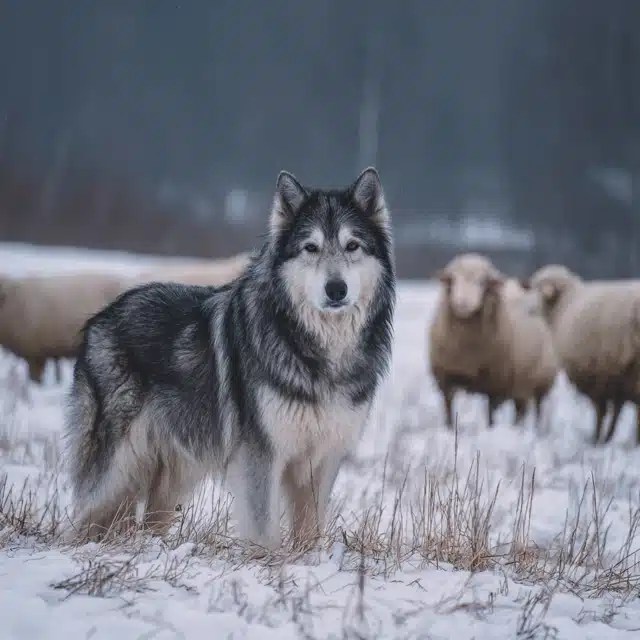
Neurological Disorders & Degenerative Myelopathy (DM)
Growth management also plays a critical preventive role: ATS puppies should be raised on controlled-growth, large-breed diets to avoid the rapid weight gain that can aggravate joint stress during the developmental period.
Elbow health is equally vital in the ATS. Because these dogs are heavy-boned and sometimes display a more upright forelimb posture inherited from northern and shepherd ancestry, they may be predisposed to elbow dysplasia.
An accurate evaluation requires OFA elbow radiographs interpreted by a board-certified veterinary radiologist. Early detection is essential, as subtle elbow abnormalities can affect long-term work performance, particularly in dogs performing long-distance tracking, perimeter patrol, or scent work.
Neurological screening is another critical component of ATS health management. As many breeds descended from German Shepherd Dogs, the American Tundra Shepherd is at risk of carrying the SOD1 gene mutation associated with Degenerative Myelopathy (DM). This progressive neurologic disorder typically presents in older dogs as proprioceptive deficits, hind-end weakness, and eventual paralysis.
Because DM can be silently inherited, all breeding dogs should undergo DNA testing to determine their genotype. When breeders avoid pairing “At-Risk” dogs, they significantly reduce the likelihood of producing affected offspring.
Older ATS dogs, particularly those aged 7 years and older, should be monitored closely for subtle changes in gait coordination or delayed paw placement, as early clinical signs of DM can be mistaken for orthopedic issues.
In addition to orthopedic and neurologic concerns, the ATS may experience several metabolic or structural health issues seen in other deep-chested working breeds. Gastric Dilatation-Volvulus (bloat) remains a notable risk because of the breed’s chest depth and athletic frame.
Owners and breeders should work closely with their veterinarians to determine whether prophylactic gastropexy is appropriate, especially for males weighing over 100 pounds. Thyroid dysfunction is another condition occasionally observed in large working breeds, and a complete thyroid panel—including free T4, total T4, TSH, and thyroglobulin antibodies—provides a more accurate picture of endocrine health than a simple total T4 test.
Eye health should not be overlooked, particularly in cases of pigment dilution or albinism. Dogs with weakened pigment or light-sensitive eyes may be more prone to ocular irritation or immune-mediated conditions, and annual ophthalmologic examinations help ensure early detection of inherited abnormalities.
Eye pigmentation disorders, while not widespread, are considered essential for maintaining the breed’s functional integrity and should be taken into account in long-term breeding decisions.
Genetics, Breeding Standards & Health Testing
Because the American Tundra Shepherd originates from a relatively small, historically inconsistent gene pool, breeders shoulder a significant responsibility for maintaining the breed’s structural and genetic health.
Ethical breeding programs typically follow the same rigorous screening protocols used for German Shepherds and Northern working breeds, including OFA hip and elbow certifications, DM genetic testing, cardiac evaluations, comprehensive thyroid analyses, and complete dentition assessments. These screenings help preserve the breed’s physical soundness, working capability, and longevity while reducing the likelihood of perpetuating avoidable hereditary conditions.
Digestive Health & Risk of Bloat (GDV)

Digestive health is a significant area of focus for the American Tundra Shepherd due to the breed’s large frame, deep thorax, and high-energy working metabolism. Like many deep-chested working breeds, the ATS carries an elevated risk of Gastric Dilatation–Volvulus (GDV), commonly referred to as bloat.
This condition occurs when the stomach rapidly fills with gas and may rotate on its axis, compromising blood flow and necessitating immediate surgical intervention. The ATS’s conformation—particularly the combination of a deep chest, substantial abdominal space, and strong diaphragm—creates a structural environment where rapid gastric expansion can occur after vigorous exercise, stress, or consumption of large meals.
Veterinarians often advise owners to monitor feeding routines carefully, avoid heavy meals immediately before or after physical exertion, and ensure the dog eats at a controlled pace rather than gulping food. Dogs with a history of gastrointestinal sensitivity, aerophagia, or anxiety may be at even higher risk.
Because the ATS frequently exceeds 100 pounds in adulthood and is likely to lead an active, working lifestyle, many veterinary practitioners recommend prophylactic gastropexy at the time of spay or neuter. This preventative surgical procedure secures the stomach to the body wall, dramatically reducing the likelihood of torsion even if the stomach becomes distended.
Aside from GDV, the ATS generally has a hardy digestive system. However, individual dogs may experience intermittent sensitivities such as loose stools or difficulty digesting high-fat foods, especially during growth spurts or periods of intense physical activity. A balanced diet rich in digestible proteins, controlled carbohydrates, and adequate omega fatty acids supports gastrointestinal stability.
Because large-breed puppies are prone to growth-related digestive and metabolic fluctuations, veterinarians commonly recommend slow- to moderate-growth diets that minimize excess calcium and help stabilize the gut microbiome during development. Maintaining a consistent diet, avoiding overfeeding, and regularly assessing stool quality are essential for promoting long-term digestive health.
Metabolic & Endocrine Health Considerations
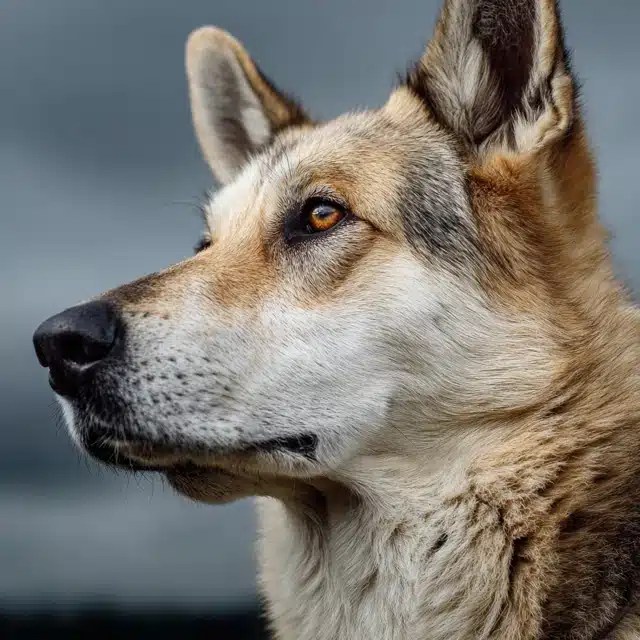
Endocrine disorders in the American Tundra Shepherd tend to follow patterns observed in other large working shepherds, particularly the German Shepherd Dog. Hypothyroidism is among the most frequently noted endocrine concerns. It occurs when the thyroid gland fails to produce sufficient thyroid hormone, ultimately affecting metabolism, immune function, coat quality, and overall energy levels.
Symptoms may be subtle at first—such as mild weight gain, reduced exercise tolerance, or a dull coat—but can become more pronounced over time, leading to chronic lethargy, recurrent skin infections, or significant hair loss along the flanks and tail.
Because isolated total T4 measurements can be misleading, veterinarians prefer a full thyroid panel that includes free T4, total T4, TSH, and thyroglobulin autoantibodies to assess thyroid function and accurately identify autoimmune thyroiditis.
The ATS may also exhibit endocrine fluctuations associated with its slow rate of maturation. Dogs that mature physically and mentally over an extended period often experience gradual shifts in metabolic needs, caloric requirements, and hormone balance.
Neutering or spaying can also influence metabolic rate, and many ATS owners observe a tendency toward weight gain in adulthood if calorie intake is not closely managed. Maintaining ideal body condition is essential not only for endocrine stability but also for orthopedic health, as excess weight contributes to joint degeneration, ligament strain, and spinal compression. While not common, the ATS can also experience adrenal-related issues similar to those seen in other shepherd-type dogs.

Conditions such as atypical Addison’s disease or mild adrenal insufficiency may manifest as intermittent gastrointestinal upset, stress sensitivity, or fluctuations in energy levels. These disorders can be challenging to diagnose and often require ACTH stimulation testing or serial bloodwork.
Because the ATS partly descends from northern landrace genetics, it may retain metabolic traits associated with cold-adapted breeds, such as efficient fat metabolism and a tendency to conserve energy during periods of low activity. Understanding this natural rhythm helps owners avoid misinterpreting regular seasonal metabolic shifts for endocrine disease.
Together, these endocrine factors highlight the importance of routine annual examinations, early bloodwork screening, and careful nutritional management throughout the dog’s life. Responsible breeders can reduce the incidence of hereditary endocrine disorders by consistently incorporating thyroid testing and metabolic history into their breeding programs.
Exercise Physiology & Conditioning Needs

The American Tundra Shepherd’s athletic abilities stem from a unique combination of shepherd intelligence, wolf-influenced stamina, and northern-breed structural resilience. This dog is built for long-distance, energy-efficient movement rather than short bursts of explosive speed. Its musculoskeletal system, characterized by strong hocks, a level topline, and substantial posterior drive, allows the ATS to sustain a ground-covering trot for extended periods without exhibiting fatigue.
In many ways, the breed’s exercise physiology resembles that of endurance sled dogs or search-and-rescue shepherds, whose cardiovascular systems are designed to remain stable under prolonged workload. Because the ATS reaches full physical and mental maturity later than most shepherds, structured conditioning should progress slowly during the first two years of life.
Young dogs benefit from controlled, low-impact activities such as tracking, forest hikes, loose-leash endurance walking, and early scent-detection exercises, which help build strength and neuromuscular coordination without overstressing their growing joints.
Once fully mature, ATS adults thrive on routines that combine physical exertion with mental engagement. Scent-work drills, patrol-style perimeter walks, supervised free running on acreage, and advanced obedience or tracking challenges all provide the type of stimulation that keeps the breed stable and satisfied.
The ATS performs best when assigned a role. Without adequate exercise and task-oriented work, these dogs may develop boredom, restlessness, or environmental anxiety. High-intensity, repetitive activities such as frequent jumping, ball-chasing, or hard braking should be minimized, as they can contribute to joint strain and early degenerative changes, especially in large-breed dogs.
Instead, veterinarians and working-dog trainers recommend sustained but moderate cardiovascular activity, interval training on natural terrain, and exercises that promote functional strength, such as hill work, controlled-resistance walking, and carrying light packs in mature adulthood.
Because the ATS has an efficient metabolism and a relatively low resting heart rate compared to many breeds of similar size, its endurance capacity is exceptional. However, this also means that early signs of fatigue may go unnoticed by inexperienced handlers. Careful monitoring of gait consistency, respiratory rhythm, and muscle heat helps prevent overexertion.
In hot climates, the breed is more prone to heat retention due to its dense coat, and conditioning should be adjusted seasonally. Conversely, in cold weather, the ATS thrives, demonstrating impressive aerobic endurance even in subfreezing temperatures.
Overall, the ATS’s exercise physiology reflects its origin as a competent, versatile working animal. When managed with thoughtful conditioning, structured routines, and an understanding of its natural athletic rhythm, the American Tundra Shepherd maintains remarkable strength, stamina, and mobility well into its senior years.
Is the American Tundra Shepherd a real breed or a wolfdog?

The American Tundra Shepherd (ATS) is a real, independently registered working breed, not a modern wolfdog. Although early foundation dogs from the late 1960s carried tundra-type wolf ancestry, today’s ATS lines are many generations removed from that influence. Selective breeding over several decades has produced a dog that behaves far more like a giant working shepherd than a wolf hybrid.
Modern ATS dogs exhibit predictable temperament traits—such as handler loyalty, strong memory retention, and excellent scent discrimination—that align more closely with those of German Shepherd Dogs than with those of wolfdogs.
They lack hallmark wolf-dog behaviors, such as an excessive flight response, independence, low biddability, or unstable social bonding. While the AKC or UKC does not recognize the ATS, it is maintained by established independent registries with multi-generational pedigrees. In contemporary canine classification, the ATS is considered a rare, developing landrace-style working breed rather than a hybrid.
Why isn’t the American Tundra Shepherd recognized by the AKC or UKC?
The American Tundra Shepherd remains unrecognized by the AKC and UKC primarily because of its small breeding population, limited geographic distribution, and lack of a consolidated national parent club, all of which are prerequisites for recognition by major kennel clubs. The AKC requires a breed to demonstrate a significant, sustainable population, documented pedigrees, a stable breed type, and multiple active regional clubs.
Similarly, the UKC requires a robust registry with demonstrated consistency across bloodlines. The ATS, while genetically consistent and functionally stable in its working abilities, has intentionally remained a niche, breeder-managed working breed with small numbers and selective placements.
Despite the absence of AKC/UKC recognition, the ATS follows many AKC– and UKC-style working-dog standards, including health testing protocols (OFA/PennHIP, DM testing), functional conformation guidelines, and working-dog evaluations. Recognition status does not affect breed legitimacy—only institutional affiliation.
The American Tundra Shepherd is intensely loyal and forms powerful bonds with its household, often becoming highly devoted to one primary handler. When properly socialized from early puppyhood, the ATS can be a calm, stable, and extremely gentle family companion. Many ATS owners report that the breed behaves like a large, protective shadow—constantly aware, always watching, but rarely reactive without cause.
What is the American Tundra Shepherd’s temperament like with families and children?
With children, the ATS tends to be patient and tolerant, though its size requires supervision, particularly with toddlers or other young children who may be knocked over unintentionally. The breed’s natural protectiveness means it evaluates strangers carefully and often positions itself between family members and unfamiliar individuals.
This is typical guardian behavior, not aggression. The ATS is not a “social butterfly” breed like retrievers. It warms slowly to outsiders, prefers predictable environments, and thrives in homes that understand the needs of a large, intelligent, territorial working dog.
How much exercise does an American Tundra Shepherd need each day?
The American Tundra Shepherd requires a high level of physical and mental activity, comparable to that of elite working dogs, such as Search and Rescue shepherds or patrol-line K9S. A typical adult ATS thrives on 60 to 90 minutes of structured exercise per day, although this should not be confused with random play or backyard time. The breed benefits from purposeful, task-oriented work such as:

An understimulated ATS may develop restlessness, environmental fixation, or protective over-alertness. Structured activity is essential for maintaining a stable temperament and optimal physical health.
What health problems are most common in the American Tundra Shepherd?
The ATS shares many health considerations with German Shepherd Dogs and giant northern working breeds. The most common concerns include hip and elbow dysplasia and Degenerative Myelopathy (DM), particularly in lines of German Shepherd ancestry. The breed’s deep chest also increases its risk of Gastric Dilatation–Volvulus (GDV), underscoring the importance of feeding management and consideration of prophylactic gastropexy.
Endocrine disorders, especially hypothyroidism, appear in some lines and may manifest as coat thinning, slower metabolism, or general lethargy. Ocular issues associated with pigment dilution or albinistic traits, although not widespread, can occur when breeding selection does not prioritize pigment intensity.
Because the ATS comes from a historically small gene pool, breeders must rely on rigorous health testing, including OFA or PennHIP evaluations, DM DNA testing, comprehensive thyroid panels, and cardiac exams. When responsibly bred and appropriately screened, the ATS typically enjoys excellent longevity, averaging 12–15 years—longer than many large working breeds.
How does the American Tundra Shepherd compare to the German Shepherd Dog?
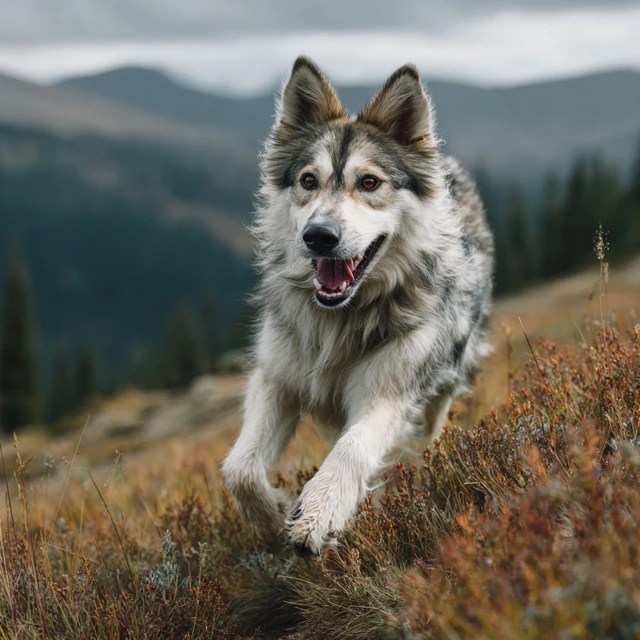
Although the American Tundra Shepherd shares ancestry with the German Shepherd Dog, the two breeds differ significantly in structure, temperament, and working style. The ATS is substantially larger, often weighing between 100 and 140 pounds, with a level topline reminiscent of old DDR/Czech working lines rather than the sloped rear angulation seen in some modern AKC show-line GSDs.
Temperamentally, the ATS is more reserved, watchful, and territorial than most German Shepherds. It forms a strong bond with its primary handler and may exhibit a stronger instinct for perimeter guardianship and situational assessment. Unlike some GSD lines bred for high-drive, rapid-reactivity work (e.g., sport or police line Malinois-influenced shepherds), the ATS tends toward calm, steady, deliberate action—closer to the style of livestock guardians or northern working shepherds.
In terms of health, the ATS may experience fewer spinal issues and often demonstrates greater longevity, while still requiring screening for hip, elbow, and DM. In essence, the ATS behaves like a giant, cold-adapted endurance shepherd, while the German Shepherd Dog remains the more versatile, standardized working breed recognized worldwide. Part 1
What health risks does the American Tundra Shepherd have?
The American Tundra Shepherd is a wolfdog hybrid with complex genetic traits that may increase the risk of orthopedic disease, behavioral challenges, and specialized veterinary needs.
Due to its wolfdog lineage, this breed requires experienced ownership, structured training, secure containment, and proactive veterinary care to support long-term health and stability.
Growth management also plays a critical preventive role: ATS puppies should be raised on controlled-growth, large-breed diets to avoid the rapid weight gain that can aggravate joint stress during the developmental period.
Elbow health is equally vital in the ATS. Because these dogs are heavy-boned and sometimes display a more upright forelimb posture inherited from northern and shepherd ancestry, they may be predisposed to elbow dysplasia.
An accurate evaluation requires OFA elbow radiographs interpreted by a board-certified veterinary radiologist. Early detection is essential, as subtle elbow abnormalities can affect long-term work performance, particularly in dogs performing long-distance tracking, perimeter patrol, or scent work.
Neurological screening is another critical component of ATS health management. As many breeds descended from German Shepherd Dogs, the American Tundra Shepherd is at risk of carrying the SOD1 gene mutation associated with Degenerative Myelopathy (DM). This progressive neurologic disorder typically presents in older dogs as proprioceptive deficits, hind-end weakness, and eventual paralysis.
Because DM can be silently inherited, all breeding dogs should undergo DNA testing to determine their genotype. When breeders avoid pairing “At-Risk” dogs, they significantly reduce the likelihood of producing affected offspring.
Older ATS dogs, particularly those aged 7 years and older, should be monitored closely for subtle changes in gait coordination or delayed paw placement, as early clinical signs of DM can be mistaken for orthopedic issues.
In addition to orthopedic and neurologic concerns, the ATS may experience several metabolic or structural health issues seen in other deep-chested working breeds. Gastric Dilatation-Volvulus (bloat) remains a notable risk because of the breed’s chest depth and athletic frame.
Owners and breeders should work closely with their veterinarians to determine whether prophylactic gastropexy is appropriate, especially for males weighing over 100 pounds. Thyroid dysfunction is another condition occasionally observed in large working breeds, and a complete thyroid panel—including free T4, total T4, TSH, and thyroglobulin antibodies—provides a more accurate picture of endocrine health than a simple total T4 test.
Eye health should not be overlooked, particularly in cases of pigment dilution or albinism. Dogs with weakened pigment or light-sensitive eyes may be more prone to ocular irritation or immune-mediated conditions, and annual ophthalmologic examinations help ensure early detection of inherited abnormalities.
Eye pigmentation disorders, while not widespread, are considered essential for maintaining the breed’s functional integrity and should be taken into account in long-term breeding decisions.
Because the American Tundra Shepherd originates from a relatively small, historically inconsistent gene pool, breeders shoulder a significant responsibility for maintaining the breed’s structural and genetic health.
Ethical breeding programs typically follow the same rigorous screening protocols used for German Shepherds and Northern working breeds, including OFA hip and elbow certifications, DM genetic testing, cardiac evaluations, comprehensive thyroid analyses, and complete dentition assessments. These screenings help preserve the breed’s physical soundness, working capability, and longevity while reducing the likelihood of perpetuating avoidable hereditary conditions.
Digestive Health
Digestive health is a significant area of focus for the American Tundra Shepherd due to the breed’s large frame, deep thorax, and high-energy working metabolism. Like many deep-chested working breeds, the ATS carries an elevated risk of Gastric Dilatation–Volvulus (GDV), commonly referred to as bloat.
This condition occurs when the stomach rapidly fills with gas and may rotate on its axis, compromising blood flow and necessitating immediate surgical intervention. The ATS’s conformation—particularly the combination of a deep chest, substantial abdominal space, and strong diaphragm—creates a structural environment where rapid gastric expansion can occur after vigorous exercise, stress, or consumption of large meals.
Veterinarians often advise owners to monitor feeding routines carefully, avoiding heavy meals immediately before or after physical exertion and ensuring the dog eats at a controlled pace rather than quickly gulping food. Dogs with a history of gastrointestinal sensitivity, aerophagia, or anxiety may be at even higher risk.
Because the ATS frequently exceeds 100 pounds in adulthood and is likely to lead an active, working lifestyle, many veterinary practitioners recommend prophylactic gastropexy at the time of spay or neuter. This preventative surgical procedure secures the stomach to the body wall, dramatically reducing the likelihood of torsion even if the stomach becomes distended.
Aside from GDV, the ATS generally has a hardy digestive system. However, individual dogs may experience intermittent sensitivities such as loose stools or difficulty digesting high-fat foods, especially during growth spurts or periods of intense physical activity. A balanced diet rich in digestible proteins, controlled carbohydrates, and adequate omega fatty acids supports gastrointestinal stability.
Because large-breed puppies are prone to growth-related digestive and metabolic fluctuations, veterinarians commonly recommend slow- to moderate-growth diets that minimize excess calcium and help stabilize the gut microbiome during development. Maintaining a consistent diet, avoiding overfeeding, and regularly assessing stool quality are essential for promoting long-term digestive health.
Endocrine & Metabolic Health
Endocrine disorders in the American Tundra Shepherd tend to follow patterns observed in other large working shepherds, particularly the German Shepherd Dog. Hypothyroidism is among the most frequently noted endocrine concerns. It occurs when the thyroid gland fails to produce sufficient thyroid hormone, ultimately affecting metabolism, immune function, coat quality, and overall energy levels.
Symptoms may be subtle at first—such as mild weight gain, reduced exercise tolerance, or a dull coat—but can become more pronounced over time, leading to chronic lethargy, recurrent skin infections, or significant hair loss along the flanks and tail.
Because isolated total T4 measurements can be misleading, veterinarians prefer a full thyroid panel that includes free T4, total T4, TSH, and thyroglobulin autoantibodies to assess thyroid function and accurately identify autoimmune thyroiditis.
The ATS may also exhibit endocrine fluctuations associated with its slow rate of maturation. Dogs that mature physically and mentally over an extended period often experience gradual shifts in metabolic needs, caloric requirements, and hormone balance.
Neutering or spaying can also influence metabolic rate, and many ATS owners observe a tendency toward weight gain in adulthood if calorie intake is not closely managed. Maintaining ideal body condition is essential not only for endocrine stability but also for orthopedic health, as excess weight contributes to joint degeneration, ligament strain, and spinal compression. While not common, the ATS can also experience adrenal-related issues similar to those seen in other shepherd-type dogs.
Conditions such as atypical Addison’s disease or mild adrenal insufficiency may manifest as intermittent gastrointestinal upset, stress sensitivity, or fluctuations in energy levels. These disorders can be challenging to diagnose and often require ACTH stimulation testing or serial bloodwork. Because the ATS partly descends from northern landrace genetics, it may retain metabolic traits associated with cold-adapted breeds, such as efficient fat metabolism and a tendency to conserve energy during periods of low activity. Understanding this natural rhythm helps owners avoid misinterpreting regular seasonal metabolic shifts for endocrine disease.
Together, these endocrine factors highlight the importance of routine annual examinations, early bloodwork screening, and careful nutritional management throughout the dog’s life. Responsible breeders can reduce the incidence of hereditary endocrine disorders by consistently incorporating thyroid testing and metabolic history into their breeding programs.
Exercise Physiology & Conditioning
The American Tundra Shepherd’s athletic abilities stem from a unique combination of shepherd intelligence, wolf-influenced stamina, and northern-breed structural resilience. This dog is built for long-distance, energy-efficient movement rather than short bursts of explosive speed. Its musculoskeletal system, characterized by strong hocks, a level topline, and substantial posterior drive, allows the ATS to sustain a ground-covering trot for extended periods without exhibiting fatigue.
In many ways, the breed’s exercise physiology resembles that of endurance sled dogs or search-and-rescue shepherds, whose cardiovascular systems are designed to remain stable under prolonged workload. Because the ATS reaches full physical and mental maturity later than most shepherds, structured conditioning should progress slowly during the first two years of life.
Young dogs benefit from controlled, low-impact activities such as tracking, forest hikes, loose-leash endurance walking, and early scent-detection exercises, which help build strength and neuromuscular coordination without overstressing their growing joints.
Once fully mature, ATS adults thrive on routines that combine physical exertion with mental engagement. Scent-work drills, patrol-style perimeter walks, supervised free running on acreage, and advanced obedience or tracking challenges all provide the type of stimulation that keeps the breed stable and satisfied.
The ATS performs best when assigned a role. Without adequate exercise and task-oriented work, these dogs may develop boredom, restlessness, or environmental anxiety. High-intensity, repetitive activities such as frequent jumping, ball-chasing, or hard braking should be minimized, as they can contribute to joint strain and early degenerative changes, especially in large-breed dogs.
Instead, veterinarians and working-dog trainers recommend sustained but moderate cardiovascular activity, interval training on natural terrain, and exercises that promote functional strength, such as hill work, controlled-resistance walking, and carrying light packs in mature adulthood.
Because the ATS has an efficient metabolism and a relatively low resting heart rate compared to many breeds of similar size, its endurance capacity is exceptional. However, this also means that early signs of fatigue may go unnoticed by inexperienced handlers. Careful monitoring of gait consistency, respiratory rhythm, and muscle heat helps prevent overexertion.
In hot climates, the breed is more prone to heat retention due to its dense coat, and conditioning should be adjusted seasonally. Conversely, in cold weather, the ATS thrives, demonstrating impressive aerobic endurance even in subfreezing temperatures.
Overall, the ATS’s exercise physiology reflects its origin as a competent, versatile working animal. When managed with thoughtful conditioning, structured routines, and an understanding of its natural athletic rhythm, the American Tundra Shepherd maintains remarkable strength, stamina, and mobility well into its senior years.
FAQs
Is the American Tundra Shepherd a real breed or a wolfdog?
The American Tundra Shepherd (ATS) is a real, independently registered working breed, not a modern wolfdog. Although early foundation dogs from the late 1960s carried tundra-type wolf ancestry, today’s ATS lines are many generations removed from that influence. Selective breeding over several decades has produced a dog that behaves far more like a giant working shepherd than a wolf hybrid.
Modern ATS dogs exhibit predictable temperament traits—such as handler loyalty, strong memory retention, and excellent scent discrimination—that align more closely with those of German Shepherd Dogs than with those of wolfdogs.
They lack hallmark wolf-dog behaviors, such as an excessive flight response, independence, low biddability, or unstable social bonding. While the AKC or UKC does not recognize the ATS, it is maintained by established independent registries with multi-generational pedigrees. In contemporary canine classification, the ATS is considered a rare, developing landrace-style working breed rather than a hybrid.
Why isn’t the American Tundra Shepherd recognized by the AKC or UKC?
The American Tundra Shepherd remains unrecognized by the AKC and UKC primarily because of its small breeding population, limited geographic distribution, and lack of a consolidated national parent club, all of which are prerequisites for recognition by major kennel clubs. The AKC requires a breed to demonstrate a significant, sustainable population, documented pedigrees, a stable breed type, and multiple active regional clubs.
Similarly, the UKC requires a robust registry with demonstrated consistency across bloodlines. The ATS, while genetically consistent and functionally stable in its working abilities, has intentionally remained a niche, breeder-managed working breed with small numbers and selective placements.
Despite the absence of AKC/UKC recognition, the ATS follows many AKC– and UKC-style working-dog standards, including health testing protocols (OFA/PennHIP, DM testing), functional conformation guidelines, and working-dog evaluations. Recognition status does not affect breed legitimacy—only institutional affiliation.
What is the American Tundra Shepherd’s temperament like with families and children?
The American Tundra Shepherd is intensely loyal and forms powerful bonds with its household, often becoming highly devoted to one primary handler. When properly socialized from early puppyhood, the ATS can be a calm, stable, and extremely gentle family companion. Many ATS owners report that the breed behaves like a large, protective shadow—constantly aware, always watching, but rarely reactive without cause.
With children, the ATS tends to be patient and tolerant, though its size requires supervision, particularly with toddlers or other young children who may be knocked over unintentionally. The breed’s natural protectiveness means it evaluates strangers carefully and often positions itself between family members and unfamiliar individuals.
This is typical guardian behavior, not aggression. The ATS is not a “social butterfly” breed like retrievers. It warms slowly to outsiders, prefers predictable environments, and thrives in homes that understand the needs of a large, intelligent, territorial working dog.
How much exercise does an American Tundra Shepherd need each day?
The American Tundra Shepherd requires a high level of physical and mental activity, comparable to that of elite working dogs, such as Search and Rescue shepherds or patrol-line K9S. A typical adult ATS thrives on 60 to 90 minutes of structured exercise per day, although this should not be confused with random play or backyard time. The breed benefits from purposeful, task-oriented work such as:
An understimulated ATS may develop restlessness, environmental fixation, or protective over-alertness. Structured activity is essential for maintaining a stable temperament and optimal physical health.
What health problems are most common in the American Tundra Shepherd?
The ATS shares many health considerations with German Shepherd Dogs and giant northern working breeds. The most common concerns include hip and elbow dysplasia and Degenerative Myelopathy (DM), particularly in lines of German Shepherd ancestry. The breed’s deep chest also increases its risk of Gastric Dilatation–Volvulus (GDV), underscoring the importance of feeding management and consideration of prophylactic gastropexy.
Endocrine disorders, especially hypothyroidism, appear in some lines and may manifest as coat thinning, slower metabolism, or general lethargy. Ocular issues associated with pigment dilution or albinistic traits, although not widespread, can occur when breeding selection does not prioritize pigment intensity.
Because the ATS comes from a historically small gene pool, breeders must rely on rigorous health testing, including OFA or PennHIP evaluations, DM DNA testing, comprehensive thyroid panels, and cardiac exams. When responsibly bred and appropriately screened, the ATS typically enjoys excellent longevity, averaging 12–15 years—longer than many large working breeds.
How does the American Tundra Shepherd compare to the German Shepherd Dog?
Although the American Tundra Shepherd shares ancestry with the German Shepherd Dog, the two breeds differ significantly in structure, temperament, and working style. The ATS is substantially larger, often weighing between 100 and 140 pounds, with a level topline reminiscent of old DDR/Czech working lines rather than the sloped rear angulation seen in some modern AKC show-line GSDs.
Temperamentally, the ATS is more reserved, watchful, and territorial than most German Shepherds. It forms a strong bond with its primary handler and may exhibit a stronger instinct for perimeter guardianship and situational assessment. Unlike some GSD lines bred for high-drive, rapid-reactivity work (e.g., sport or police line Malinois-influenced shepherds), the ATS tends toward calm, steady, deliberate action—closer to the style of livestock guardians or northern working shepherds.
In terms of health, the ATS may experience fewer spinal issues and often demonstrates greater longevity, while still requiring screening for hip, elbow, and DM. In essence, the ATS behaves like a giant, cold-adapted endurance shepherd, while the German Shepherd Dog remains the more versatile, standardized working breed recognized worldwide. Part 1
What health risks does the American Tundra Shepherd have?
The American Tundra Shepherd is a wolfdog hybrid with complex genetic traits that may increase the risk of orthopedic disease, behavioral challenges, and specialized veterinary needs.
Due to its wolfdog lineage, this breed requires experienced ownership, structured training, secure containment, and proactive veterinary care to support long-term health and stability.
Growth management also plays a critical preventive role: ATS puppies should be raised on controlled-growth, large-breed diets to avoid the rapid weight gain that can aggravate joint stress during the developmental period.
Elbow health is equally vital in the ATS. Because these dogs are heavy-boned and sometimes display a more upright forelimb posture inherited from northern and shepherd ancestry, they may be predisposed to elbow dysplasia.
An accurate evaluation requires OFA elbow radiographs interpreted by a board-certified veterinary radiologist. Early detection is essential, as subtle elbow abnormalities can affect long-term work performance, particularly in dogs performing long-distance tracking, perimeter patrol, or scent work.
Neurological screening is another critical component of ATS health management. As many breeds descended from German Shepherd Dogs, the American Tundra Shepherd is at risk of carrying the SOD1 gene mutation associated with Degenerative Myelopathy (DM). This progressive neurologic disorder typically presents in older dogs as proprioceptive deficits, hind-end weakness, and eventual paralysis.
Because DM can be silently inherited, all breeding dogs should undergo DNA testing to determine their genotype. When breeders avoid pairing “At-Risk” dogs, they significantly reduce the likelihood of producing affected offspring.
Older ATS dogs, particularly those aged 7 years and older, should be monitored closely for subtle changes in gait coordination or delayed paw placement, as early clinical signs of DM can be mistaken for orthopedic issues.
In addition to orthopedic and neurologic concerns, the ATS may experience several metabolic or structural health issues seen in other deep-chested working breeds. Gastric Dilatation-Volvulus (bloat) remains a notable risk because of the breed’s chest depth and athletic frame.
Owners and breeders should work closely with their veterinarians to determine whether prophylactic gastropexy is appropriate, especially for males weighing over 100 pounds. Thyroid dysfunction is another condition occasionally observed in large working breeds, and a complete thyroid panel—including free T4, total T4, TSH, and thyroglobulin antibodies—provides a more accurate picture of endocrine health than a simple total T4 test.
Eye health should not be overlooked, particularly in cases of pigment dilution or albinism. Dogs with weakened pigment or light-sensitive eyes may be more prone to ocular irritation or immune-mediated conditions, and annual ophthalmologic examinations help ensure early detection of inherited abnormalities.
Eye pigmentation disorders, while not widespread, are considered essential for maintaining the breed’s functional integrity and should be taken into account in long-term breeding decisions.
Because the American Tundra Shepherd originates from a relatively small, historically inconsistent gene pool, breeders shoulder a significant responsibility for maintaining the breed’s structural and genetic health.
Ethical breeding programs typically follow the same rigorous screening protocols used for German Shepherds and Northern working breeds, including OFA hip and elbow certifications, DM genetic testing, cardiac evaluations, comprehensive thyroid analyses, and complete dentition assessments. These screenings help preserve the breed’s physical soundness, working capability, and longevity while reducing the likelihood of perpetuating avoidable hereditary conditions.
Digestive Health
Digestive health is a significant area of focus for the American Tundra Shepherd due to the breed’s large frame, deep thorax, and high-energy working metabolism. Like many deep-chested working breeds, the ATS carries an elevated risk of Gastric Dilatation–Volvulus (GDV), commonly referred to as bloat.
This condition occurs when the stomach rapidly fills with gas and may rotate on its axis, compromising blood flow and necessitating immediate surgical intervention. The ATS’s conformation—particularly the combination of a deep chest, substantial abdominal space, and strong diaphragm—creates a structural environment where rapid gastric expansion can occur after vigorous exercise, stress, or consumption of large meals.
Veterinarians often advise owners to monitor feeding routines carefully, avoiding heavy meals immediately before or after physical exertion and ensuring the dog eats at a controlled pace rather than quickly gulping food. Dogs with a history of gastrointestinal sensitivity, aerophagia, or anxiety may be at even higher risk.
Because the ATS frequently exceeds 100 pounds in adulthood and is likely to lead an active, working lifestyle, many veterinary practitioners recommend prophylactic gastropexy at the time of spay or neuter. This preventative surgical procedure secures the stomach to the body wall, dramatically reducing the likelihood of torsion even if the stomach becomes distended.
Aside from GDV, the ATS generally has a hardy digestive system. However, individual dogs may experience intermittent sensitivities such as loose stools or difficulty digesting high-fat foods, especially during growth spurts or periods of intense physical activity. A balanced diet rich in digestible proteins, controlled carbohydrates, and adequate omega fatty acids supports gastrointestinal stability.
Because large-breed puppies are prone to growth-related digestive and metabolic fluctuations, veterinarians commonly recommend slow- to moderate-growth diets that minimize excess calcium and help stabilize the gut microbiome during development. Maintaining a consistent diet, avoiding overfeeding, and regularly assessing stool quality are essential for promoting long-term digestive health.
Endocrine & Metabolic Health
Endocrine disorders in the American Tundra Shepherd tend to follow patterns observed in other large working shepherds, particularly the German Shepherd Dog. Hypothyroidism is among the most frequently noted endocrine concerns. It occurs when the thyroid gland fails to produce sufficient thyroid hormone, ultimately affecting metabolism, immune function, coat quality, and overall energy levels.
Symptoms may be subtle at first—such as mild weight gain, reduced exercise tolerance, or a dull coat—but can become more pronounced over time, leading to chronic lethargy, recurrent skin infections, or significant hair loss along the flanks and tail.
Because isolated total T4 measurements can be misleading, veterinarians prefer a full thyroid panel that includes free T4, total T4, TSH, and thyroglobulin autoantibodies to assess thyroid function and accurately identify autoimmune thyroiditis.
The ATS may also exhibit endocrine fluctuations associated with its slow rate of maturation. Dogs that mature physically and mentally over an extended period often experience gradual shifts in metabolic needs, caloric requirements, and hormone balance.
Neutering or spaying can also influence metabolic rate, and many ATS owners observe a tendency toward weight gain in adulthood if calorie intake is not closely managed. Maintaining ideal body condition is essential not only for endocrine stability but also for orthopedic health, as excess weight contributes to joint degeneration, ligament strain, and spinal compression. While not common, the ATS can also experience adrenal-related issues similar to those seen in other shepherd-type dogs.
Conditions such as atypical Addison’s disease or mild adrenal insufficiency may manifest as intermittent gastrointestinal upset, stress sensitivity, or fluctuations in energy levels. These disorders can be challenging to diagnose and often require ACTH stimulation testing or serial bloodwork. Because the ATS partly descends from northern landrace genetics, it may retain metabolic traits associated with cold-adapted breeds, such as efficient fat metabolism and a tendency to conserve energy during periods of low activity. Understanding this natural rhythm helps owners avoid misinterpreting regular seasonal metabolic shifts for endocrine disease.
Together, these endocrine factors highlight the importance of routine annual examinations, early bloodwork screening, and careful nutritional management throughout the dog’s life. Responsible breeders can reduce the incidence of hereditary endocrine disorders by consistently incorporating thyroid testing and metabolic history into their breeding programs.
Exercise Physiology & Conditioning
The American Tundra Shepherd’s athletic abilities stem from a unique combination of shepherd intelligence, wolf-influenced stamina, and northern-breed structural resilience. This dog is built for long-distance, energy-efficient movement rather than short bursts of explosive speed. Its musculoskeletal system, characterized by strong hocks, a level topline, and substantial posterior drive, allows the ATS to sustain a ground-covering trot for extended periods without exhibiting fatigue.
In many ways, the breed’s exercise physiology resembles that of endurance sled dogs or search-and-rescue shepherds, whose cardiovascular systems are designed to remain stable under prolonged workload. Because the ATS reaches full physical and mental maturity later than most shepherds, structured conditioning should progress slowly during the first two years of life.
Young dogs benefit from controlled, low-impact activities such as tracking, forest hikes, loose-leash endurance walking, and early scent-detection exercises, which help build strength and neuromuscular coordination without overstressing their growing joints.
Once fully mature, ATS adults thrive on routines that combine physical exertion with mental engagement. Scent-work drills, patrol-style perimeter walks, supervised free running on acreage, and advanced obedience or tracking challenges all provide the type of stimulation that keeps the breed stable and satisfied.
The ATS performs best when assigned a role. Without adequate exercise and task-oriented work, these dogs may develop boredom, restlessness, or environmental anxiety. High-intensity, repetitive activities such as frequent jumping, ball-chasing, or hard braking should be minimized, as they can contribute to joint strain and early degenerative changes, especially in large-breed dogs.
Instead, veterinarians and working-dog trainers recommend sustained but moderate cardiovascular activity, interval training on natural terrain, and exercises that promote functional strength, such as hill work, controlled-resistance walking, and carrying light packs in mature adulthood.
Because the ATS has an efficient metabolism and a relatively low resting heart rate compared to many breeds of similar size, its endurance capacity is exceptional. However, this also means that early signs of fatigue may go unnoticed by inexperienced handlers. Careful monitoring of gait consistency, respiratory rhythm, and muscle heat helps prevent overexertion.
In hot climates, the breed is more prone to heat retention due to its dense coat, and conditioning should be adjusted seasonally. Conversely, in cold weather, the ATS thrives, demonstrating impressive aerobic endurance even in subfreezing temperatures.
Overall, the ATS’s exercise physiology reflects its origin as a competent, versatile working animal. When managed with thoughtful conditioning, structured routines, and an understanding of its natural athletic rhythm, the American Tundra Shepherd maintains remarkable strength, stamina, and mobility well into its senior years.
FAQ 1: Is the American Tundra Shepherd a real breed or a wolfdog?
The American Tundra Shepherd (ATS) is a real, independently registered working breed, not a modern wolfdog. Although early foundation dogs from the late 1960s carried tundra-type wolf ancestry, today’s ATS lines are many generations removed from that influence. Selective breeding over several decades has produced a dog that behaves far more like a giant working shepherd than a wolf hybrid.
Modern ATS dogs exhibit predictable temperament traits—such as handler loyalty, strong memory retention, and excellent scent discrimination—that align more closely with those of German Shepherd Dogs than with those of wolfdogs.
They lack hallmark wolf-dog behaviors, such as an excessive flight response, independence, low biddability, or unstable social bonding. While the AKC or UKC does not recognize the ATS, it is maintained by established independent registries with multi-generational pedigrees. In contemporary canine classification, the ATS is considered a rare, developing landrace-style working breed rather than a hybrid.
FAQ 2: Why isn’t the American Tundra Shepherd recognized by the AKC or UKC?
The American Tundra Shepherd remains unrecognized by the AKC and UKC primarily because of its small breeding population, limited geographic distribution, and lack of a consolidated national parent club, all of which are prerequisites for recognition by major kennel clubs. The AKC requires a breed to demonstrate a significant, sustainable population, documented pedigrees, a stable breed type, and multiple active regional clubs.
Similarly, the UKC requires a robust registry with demonstrated consistency across bloodlines. The ATS, while genetically consistent and functionally stable in its working abilities, has intentionally remained a niche, breeder-managed working breed with small numbers and selective placements.
Despite the absence of AKC/UKC recognition, the ATS follows many AKC– and UKC-style working-dog standards, including health testing protocols (OFA/PennHIP, DM testing), functional conformation guidelines, and working-dog evaluations. Recognition status does not affect breed legitimacy—only institutional affiliation.
FAQ 3: What is the American Tundra Shepherd’s temperament like with families and children?
The American Tundra Shepherd is intensely loyal and forms powerful bonds with its household, often becoming highly devoted to one primary handler. When properly socialized from early puppyhood, the ATS can be a calm, stable, and extremely gentle family companion. Many ATS owners report that the breed behaves like a large, protective shadow—constantly aware, always watching, but rarely reactive without cause.
With children, the ATS tends to be patient and tolerant, though its size requires supervision, particularly with toddlers or other young children who may be knocked over unintentionally. The breed’s natural protectiveness means it evaluates strangers carefully and often positions itself between family members and unfamiliar individuals.
This is typical guardian behavior, not aggression. The ATS is not a “social butterfly” breed like retrievers. It warms slowly to outsiders, prefers predictable environments, and thrives in homes that understand the needs of a large, intelligent, territorial working dog.
FAQ 4: How much exercise does an American Tundra Shepherd need each day?
The American Tundra Shepherd requires a high level of physical and mental activity, comparable to that of elite working dogs, such as Search and Rescue shepherds or patrol-line K9S. A typical adult ATS thrives on 60 to 90 minutes of structured exercise per day, although this should not be confused with random play or backyard time. The breed benefits from purposeful, task-oriented work such as:
An understimulated ATS may develop restlessness, environmental fixation, or protective over-alertness. Structured activity is essential for maintaining a stable temperament and optimal physical health.
FAQ 5: What health problems are most common in the American Tundra Shepherd?
The ATS shares many health considerations with German Shepherd Dogs and giant northern working breeds. The most common concerns include hip and elbow dysplasia and Degenerative Myelopathy (DM), particularly in lines of German Shepherd ancestry. The breed’s deep chest also increases its risk of Gastric Dilatation–Volvulus (GDV), underscoring the importance of feeding management and consideration of prophylactic gastropexy.
Endocrine disorders, especially hypothyroidism, appear in some lines and may manifest as coat thinning, slower metabolism, or general lethargy. Ocular issues associated with pigment dilution or albinistic traits, although not widespread, can occur when breeding selection does not prioritize pigment intensity.
Because the ATS comes from a historically small gene pool, breeders must rely on rigorous health testing, including OFA or PennHIP evaluations, DM DNA testing, comprehensive thyroid panels, and cardiac exams. When responsibly bred and appropriately screened, the ATS typically enjoys excellent longevity, averaging 12–15 years—longer than many large working breeds.
FAQ 6: How does the American Tundra Shepherd compare to the German Shepherd Dog?
Although the American Tundra Shepherd shares ancestry with the German Shepherd Dog, the two breeds differ significantly in structure, temperament, and working style. The ATS is substantially larger, often weighing between 100 and 140 pounds, with a level topline reminiscent of old DDR/Czech working lines rather than the sloped rear angulation seen in some modern AKC show-line GSDs.
Temperamentally, the ATS is more reserved, watchful, and territorial than most German Shepherds. It forms a strong bond with its primary handler and may exhibit a stronger instinct for perimeter guardianship and situational assessment. Unlike some GSD lines bred for high-drive, rapid-reactivity work (e.g., sport or police line Malinois-influenced shepherds), the ATS tends toward calm, steady, deliberate action—closer to the style of livestock guardians or northern working shepherds.
In terms of health, the ATS may experience fewer spinal issues and often demonstrates greater longevity, while still requiring screening for hip, elbow, and DM. In essence, the ATS behaves like a giant, cold-adapted endurance shepherd, while the German Shepherd Dog remains the more versatile, standardized working breed recognized worldwide. Part 1
© 2012–2025 Claudia Bensimoun, BarkUpToday.com. All rights reserved.
The original article was first published in 2012 and substantially revised, expanded, and updated with new veterinary and breeder information in 2025. No part of this content may be reproduced, distributed, or republished without written permission.