Affiliate disclosure: As an Amazon Associate I earn from qualifying purchases. This article contains affiliate links, which may earn BarkUpToday a commission at no additional cost to you. Read our Affiliate Disclosure for details.
A decade ago, “dog food” meant a bag of kibble. Today, many dogs eat meals that arrive in insulated boxes, are portioned to their weight, and live in the refrigerator next to their owners’ leftovers. Fresh dog food has gone from niche to mainstream, and its marketing makes big promises: shinier coats, better digestion, longer lives.
Some of those promises have real science behind them. Others are still waiting for it. This guide sorts out which is which, so you can decide whether the price tag makes sense for your dog and your budget.
Quick Answer: Is Fresh Dog Food Worth It?
Short answer: Fresh dog food is more digestible than kibble in controlled studies, and many dogs find it highly palatable, but there is not yet strong evidence that it helps healthy dogs live longer or avoid disease. Any diet labeled complete and balanced, from a company with qualified nutritionists and strong quality control, can keep a dog healthy. Fresh food is a reasonable upgrade if you can afford it, not a requirement.
- Proven: high digestibility and smaller, firmer stools.
- Not proven: longer life or disease prevention in healthy dogs.
- Must-have: an AAFCO “complete and balanced” statement for your dog’s life stage.
- Budget option: use fresh food as a topper on a complete kibble.

What Counts as “Fresh” Dog Food?
There’s no single regulatory definition of “fresh.” In practice, the term describes gently cooked, refrigerated or frozen meals made from recognizable ingredients such as meat, vegetables and grains, then balanced with vitamins and minerals. Most are sold by subscription, though refrigerated rolls and frozen options are increasingly found in pet stores.
Marketing often blends these terms together, so it helps to separate them:
| Term | What it means | What it doesn’t mean |
|---|---|---|
| Fresh | Minimally processed, usually refrigerated or frozen | Automatically more nutritious or complete |
| Human-grade | Ingredients and the finished food are handled under human-food standards | Nutritionally better for dogs by default |
| Raw | Uncooked meat-based diets | The same as fresh; raw carries added bacterial risks |
| Complete and balanced | Meets AAFCO nutrient profiles for a life stage | Premium or fresh; kibble can carry this label too |
That last row matters most. Whether a food is fresh, canned or dry, the label that tells you it can be fed as a sole diet is the AAFCO nutritional adequacy statement. Our guide to choosing a healthy dog food explains how to read it.
What the Research Actually Shows
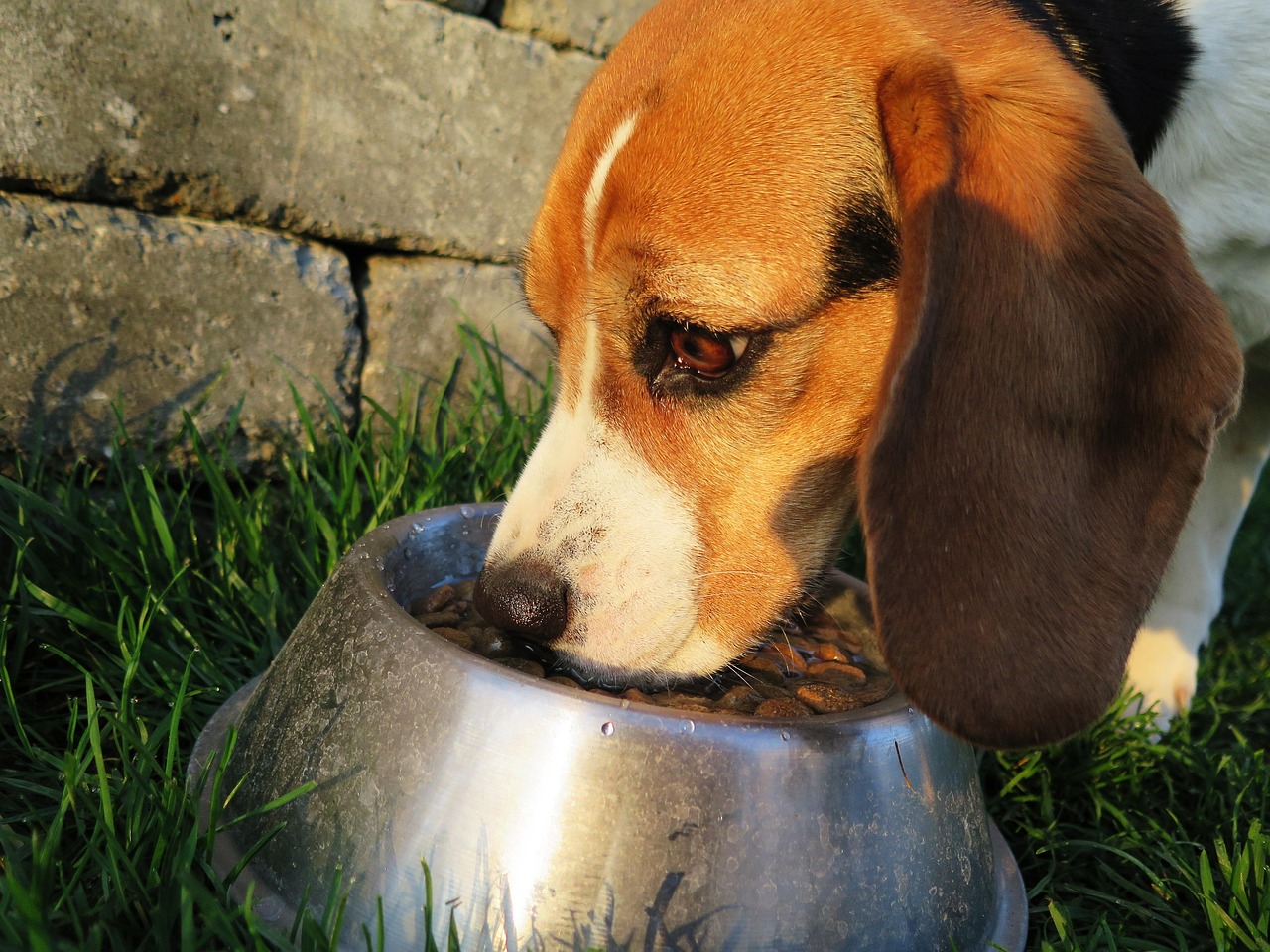
The most cited study comes from Kelly Swanson’s lab at the University of Illinois, published in the Journal of Animal Science in 2021. Researchers fed beagles four commercial diets: a standard kibble, a fresh refrigerated diet, and two fresh diets made with human-grade ingredients. According to the University of Illinois, the human-grade fresh diets were highly digestible, and dogs eating them produced up to 66% less feces. Dogs on kibble had to eat more to maintain their weight, and the fresh diets produced distinct gut microbial profiles.
Those are meaningful findings. Higher digestibility means more of each bite is absorbed, and smaller, firmer stools are something owners notice right away.
Read the fine print, though. The study involved 12 beagles over a few weeks, and it was funded by a fresh-food company, which the university disclosed. A changed microbiome is interesting, but researchers don’t yet know what those changes mean for long-term health. Swanson himself said that owners who are happy with their current food, and whose dogs are healthy, may have no reason to switch.
What we can say with confidence: fresh diets tend to be highly digestible and palatable. What remains unproven: that they prevent disease, extend lifespan, or outperform a well-made kibble in healthy dogs over years.
What Fresh Food Can’t Promise
Fresh food is not a cure for allergies, a weight-loss plan or a dental care product. A softer diet does nothing to scrub teeth, so dogs on fresh food still need brushing and veterinary oral exams; see our guide to dental disease in dogs. And because fresh food is so palatable, overfeeding is easy. Portion by your dog’s body condition, not by enthusiasm at mealtime.
Many fresh recipes are also grain-free or legume-heavy, which raises the dilated cardiomyopathy (DCM) question. Starting in 2018, the FDA investigated reports of DCM in dogs eating certain diets, many of them grain-free and high in peas, lentils or potatoes. In December 2022 the agency said it would stop issuing routine public updates, and no causal link has been established. If you choose a grain-free fresh recipe, discuss it with your veterinarian, especially for breeds prone to heart disease. Our grain-free dog food guide covers this in more depth.
How to Judge a Fresh Dog Food Brand
Pretty packaging and ingredient photos tell you very little. The World Small Animal Veterinary Association (WSAVA) publishes a free checklist for selecting pet foods that works for fresh brands as well as kibble. Use it before you subscribe:
- Find the AAFCO statement. It should say the food is complete and balanced for your dog’s life stage. For puppies of breeds expected to exceed 70 pounds as adults, look for wording that covers growth of large-size dogs. “Intermittent or supplemental feeding” means it is not a complete diet.
- Ask who formulates the recipes. Look for a board-certified veterinary nutritionist or a PhD animal nutritionist, and ask whether they are on staff or a consultant.
- Ask about quality control. How are ingredients and finished batches tested? Where is the food made, and by whom?
- Ask about research. Has the company run feeding trials or published peer-reviewed studies?
Reputable brands answer these questions openly, and several publish their WSAVA answers on their websites. If a company can’t or won’t answer, that tells you something.

The Cost Question, and the Topper Strategy
Fresh food usually costs several times more per day than a quality kibble, and the gap widens with dog size. A 10-pound terrier and a 90-pound shepherd can be on the same plan and face very different monthly bills. Before subscribing, get a quote for your dog’s exact weight and activity level, then multiply it by twelve. Food is a commitment for the life of the dog.
If full fresh feeding doesn’t fit your budget, you don’t have to choose all or nothing. Many owners use fresh food as a topper, replacing a portion of a complete-and-balanced kibble. Keep toppers and treats together under about 10% of daily calories unless the topper is itself complete and balanced, and reduce the kibble so total calories stay the same.

Helpful gear for feeding fresh food:
- Airtight, freezer-safe storage containers for thawed portions. Browse freezer-safe containers on Amazon
- A slow feeder bowl for dogs who inhale soft food. Browse slow feeder bowls on Amazon
- A digital kitchen scale for accurate portions. Browse kitchen scales on Amazon
How to Switch to Fresh Food Safely
Any diet change can upset a dog’s stomach. A gradual transition over about a week is the standard approach:
| Days | Current food | Fresh food |
|---|---|---|
| 1–2 | 75% | 25% |
| 3–4 | 50% | 50% |
| 5–6 | 25% | 75% |
| 7 and beyond | 0% | 100% |
Slow down if stools loosen, and call your veterinarian if vomiting or diarrhea persists. Dogs with medical conditions, or on prescription diets, should only change food with veterinary guidance.

Why Homemade “Fresh” Food Is Harder Than It Looks
Home cooking can look like a cheaper route to the same result. It is rarely as simple as it seems. A UC Davis analysis of 200 home-prepared dog food recipes found that 95% were short on at least one essential nutrient, and more than 83% had multiple deficiencies. The researchers’ advice: if you want to cook, work with a board-certified veterinary nutritionist rather than recipes from books or the internet.
Frequently Asked Questions
Is fresh dog food better than kibble?
Fresh food is more digestible in controlled studies, and many dogs prefer it. Whether it improves long-term health in healthy dogs hasn’t been shown. A complete-and-balanced kibble from a well-qualified manufacturer remains a sound choice.
Do veterinarians recommend fresh dog food?
Opinions vary. Most veterinary nutritionists focus less on format and more on whether a food is complete and balanced and made by a company that meets WSAVA’s criteria.
Can I mix fresh food with kibble?
Yes. Reduce the kibble so total daily calories stay the same, and keep toppers that aren’t complete and balanced to a small share of the diet.
Is fresh dog food safe for puppies?
Only if its AAFCO statement covers growth or all life stages, including growth of large-size dogs for puppies expected to exceed 70 pounds as adults.
How long does fresh dog food last?
Follow the brand’s instructions. Most packs stay frozen until needed and should be used within a few days of thawing.
The Bottom Line
Fresh dog food is a genuine improvement in digestibility and palatability, and for many dogs it’s a pleasure to eat. It isn’t magic. The best diet for your dog is complete and balanced, made by a company that can answer hard questions, fed in the right amount, and affordable enough that you can stick with it for years. For some families that’s a fresh subscription; for others it’s kibble with a fresh topper. Both can be the right call.
References and Further Reading
- University of Illinois ACES: Fresh human-grade dog food study
- Pet Food Processing: Study design details
- WSAVA: Guidelines on Selecting Pet Foods (2021)
- Petfood Industry: FDA Ends DCM Updates
- UC Davis: Homemade Dog Food Recipes Can Be Risky Business
This article is for educational purposes and is not a substitute for veterinary advice.
Leave a Reply